Building the Future: Why the International Real Estate Network is Turning to Logistics in Austria and CEE
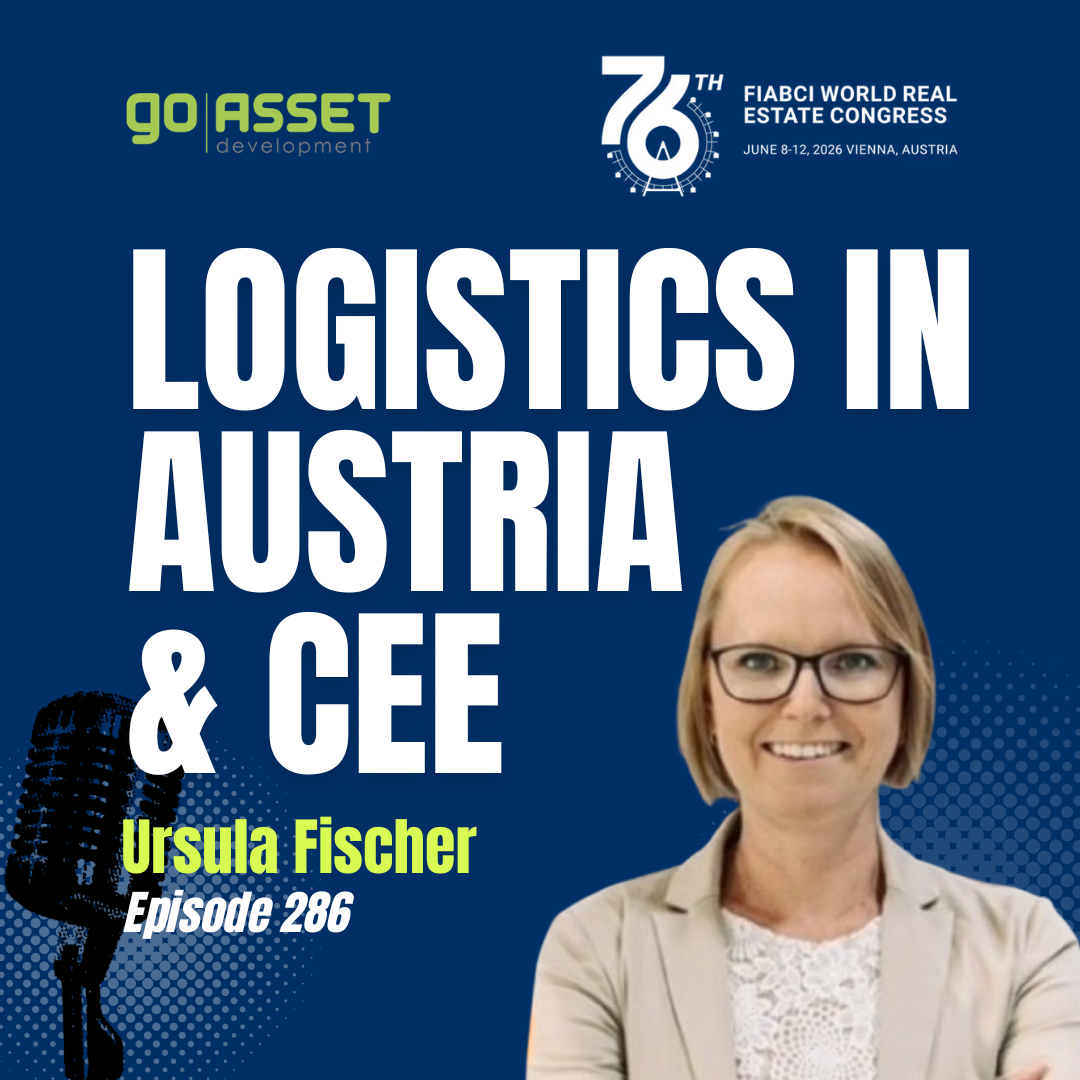
For the modern real estate investor and broker, the landscape of European property is shifting. While residential and office spaces have long been the pillars of a traditional portfolio, the real momentum is currently found in the "backbone" of the global economy: logistics and industrial real estate. In a recent expert session, Ursula Fischer, Head of Development Austria at GO Asset Development, shared profound insights into how this sector is evolving across Austria and Central and Eastern Europe (CEE).
As the international real estate network seeks higher yields and more resilient assets, understanding the intricacies of cross-border development—from the Port of Koper to the outskirts of Vienna—has never been more critical. This article provides a deep dive into the strategic, technical, and sustainable factors driving this industrial boom.
Table of Contents
- 1. The Strategic Gateway: Why Austria and CEE?
- 2. Navigating the Development Lifecycle: Insights for Investors
- 3. The Green Shift: Sustainability as a Value Driver
- 4. Emerging Trends: From Mega-Warehouses to Flexible Units
- 5. The Power of an International Real Estate Network
- 6. Connect with an Industry Leader
1. The Strategic Gateway: Why Austria and CEE?
The geography of Central Europe offers a unique advantage that a global real estate network cannot ignore. Vienna sits at a focal point, serving as a commercial and business hub with immediate proximity to Slovakia, the Czech Republic, Hungary, and Slovenia.
The Slovakia Success Story
Ursula Fischer notes that GO Asset initially established its footprint in the Slovakian market. At the time, the demand was soaring, land was more available, and costs were lower than in Western Europe. This created a perfect storm for rapid logistics expansion, particularly around Bratislava.
The Adriatic Connection: Slovenia and the Port of Koper
One of the most compelling arguments for CEE investment is the logistics corridor driven by the Port of Koper in Slovenia. Fischer highlights that Koper is often overlooked in favour of Trieste, yet it is larger and more strategically significant for goods coming into Southern Europe. Using Koper can save up to a week in delivery time compared to Northern ports like Hamburg or Rotterdam. For an international real estate network focusing on supply chain efficiency, Slovenia and the emerging Croatian market represent high-growth frontiers.
2. Navigating the Development Lifecycle: Insights for Investors
For a real estate broker or investor, understanding the timeline and complexities of industrial development is essential for managing client expectations and ROI. Logistics projects may look simple from the outside, but they involve complex functions and strict regulatory hurdles.
The Importance of Local Expertise
Developing in this region requires more than just capital; it requires a deep international real estate network of architects, legal consultants, and technical experts. Many institutional investors and production companies lack the internal structures to manage these projects, which is where specialized developers like GO Asset provide a full-service approach—from land acquisition to handing over a turnkey project.
Timelines and Budgeting
A typical logistics project can range from €10 million to over €100 million. Fischer breaks down the timeline into three distinct phases:
- Preparation and Planning: Usually takes around six months.
- Authority Permits: This is the most unpredictable phase, often taking 12 to 18 months to secure building and operation permits.
- Construction: Surprisingly, this is the quickest part, typically completed in 10 to 12 months.
Managing these phases successfully requires well-grounded decisions, clear targets, and established communication structures.
3. The Green Shift: Sustainability as a Value Driver
The international real estate network is increasingly focused on ESG (Environmental, Social, and Governance) criteria. In the logistics sector, sustainability is no longer a "nice-to-have"—it is a requirement for marketability.
The End of the Gas Era
Fischer describes a radical shift in the industry. Just six years ago, gas was the standard for warehouse heating because it was cheap and functional. Today, you will not find a tenant or an investor willing to touch a new warehouse with gas infrastructure. It has been almost entirely replaced by heat pumps and electric energy.
Maximising Asset Longevity
The most sustainable building is one that lasts. While traditional logistics buildings might have a 20-30 year lifespan, designing for multi-use and flexible adaptation can extend that to 50 or 60 years. This includes incorporating:
- Photovoltaic (PV) Systems: Large rooftops provide ample space for solar energy to power heat pumps.
- Green Infrastructure: Green roofs and facades are becoming standard expectations in the global real estate network.
- Human-Centric Design: Far from the "dark, cheap surroundings" of the past, modern warehouses are well-equipped social spaces that respect the workforce.
4. Emerging Trends: From Mega-Warehouses to Flexible Units
As market dynamics change, the international real estate network must adapt. Fischer points out that the demand for massive, "A-class" mega-projects has slightly decreased in the last two years.
The Rise of Small-Scale Units
The current trend is moving toward smaller, more flexible units. This shift allows developers to address a wider variety of clients, including production companies and wholesale businesses, rather than just traditional logistics providers. These smaller projects offer a diversified risk profile for investors and more opportunities for local real estate brokers to find suitable tenants.
The Automation vs. Human Capital Debate
While automation is increasing, it has not replaced the need for human talent. In "last mile" logistics—where packages are assembled for final delivery—the human element remains paramount. Even in highly automated facilities, a skilled workforce is needed to monitor systems and prevent costly halts in the process. Investors should look for locations that not only have the power for automation but also the accessibility to attract reliable staff.
5. The Power of an International Real Estate Network
Success in the Austrian and CEE markets is heavily dependent on the quality of your connections. Ursula Fischer emphasises the role of organizations like FIABCI, which she describes as a "family" of real estate experts. Being part of an international real estate network allows professionals to see different approaches to the same global challenges, such as energy availability and political regulations.
Whether it's navigating the energy constraints that currently limit data center development in Austria or understanding the agricultural land conversions in rural areas, a strong network provides the boots-on-the-ground intelligence that data alone cannot offer.
6. Connect with an Industry Leader
To navigate the complex world of logistics and industrial development in Austria and CEE, partnering with experienced leaders is vital. Ursula Fischer’s track record of delivering large-scale, sustainable developments makes her a key figure for any investor or broker looking to enter this space.
Get in touch with Ursula Fischer: Contact Ursula Fischer on LinkedIn
Ursula Fischer is the Head of Development Austria at GO Asset Development. With over 25 years of experience in architecture and real estate management, she is a leading voice in shaping the industrial landscape of Central Europe.