Real Estate Directory El Salvador: The Definitive Investment and Due Diligence Guide for Global Real Estate Investors
An in-depth analysis of high-yield sectors, legal frameworks, and emerging micro-markets in Central America's fastest-transforming economy.
Want to Know: Fast Answers for Real Estate Investors in El Salvador
If you are an international buyer or part of the diaspora looking for immediate answers regarding El Salvador real estate investment, here is the essential baseline before committing capital:
- Why is capital flowing into El Salvador right now? A profound structural turnaround in public safety has catalyzed economic dynamism, unlocking substantial inbound tourism, corporate expansion, and capital repatriation from the diaspora.
- Which real estate segments offer the highest immediate upside? Logistics warehouses (bodegas) face acute supply shortages against surging commercial demand. Coastal tourism developments anchored by Surf City 1 and the upcoming Surf City 2, along with urban vertical apartment towers, lead in capital appreciation and rental yield.
- What are the top-tier appreciation zones? Prime residential and commercial appreciation centers on San Benito, Colonia Escalón, La Mascota, Santa Elena, Santa Tecla, and the rapidly expanding corridor of Nuevo Cuscatlán.
- What legal protections are non-negotiable? Every transaction requires verifying the certificación extractada from the National Registry to ensure zero liens or ongoing litigation, obtaining municipal tax clearances (solvencia municipal), and retaining an independent real estate attorney alongside an accredited advisor.
- How do you find vetted partners? Relying on an accredited real estate directory El Salvador ensures direct access to certified professionals associated with recognized bodies such as the Salvadoran Chamber of Real Estate (Cámara Salvadoreña de Bienes Raíces).
1. Macroeconomic Shift: Why Real Estate Investors in El Salvador Are Moving Capital Now
International asset allocation requires analyzing macroeconomic inflection points. For decades, El Salvador's economic landscape was constrained by the aftermath of the 1980s civil conflict followed by rampant gang extortion during the 1990s and 2000s, which severely hindered entrepreneurship and led many microbusinesses to close under duress. Today, the country has undergone an extraordinary turnaround driven primarily by nationwide public safety and stabilization.
This security transformation has acted as a catalyst across all primary economic sectors. The country is experiencing an influx of international travelers and institutional investors eager to deploy capital into infrastructure, hospitality, and residential projects. With roughly 15 years of continuous structural stabilization, the Salvadoran property market has transitioned from early recovery into a mature cycle characterized by sustained capital appreciation.
The Diaspora Dividend: "Hermanos Lejanos" Driving Market Velocity
A fundamental pillar supporting the El Salvador real estate market is the diaspora, affectionately referred to locally as hermanos lejanos. Millions of Salvadorans who emigrated during historical instability worked, saved, and built wealth abroad, primarily across North America. Previously barred from returning due to safety concerns, these individuals are returning with considerable financial reserves.
Diaspora capital enters the market through two distinct investment strategies: purchasing secondary vacation homes for family reunification, and acquiring multifamily apartments or residential assets aimed at steady rental yields. This emotional and economic repatriation creates a reliable demand floor that shields the domestic housing market from external volatility.
2. High-Yield Sectors: Tourism, Warehouses, and Vertical Living
Discerning real estate investors in El Salvador prioritize sectors where supply deficits generate strong pricing power. By analyzing transactional data, three sectors present notable upside:
Industrial and Logistics Real Estate: The Warehouse (Bodega) Shortage
While beachfront villas often dominate headlines, industrial real estate represents a highly lucrative opportunity. Local and regional business operators face an acute shortage of logistics warehouses (bodegas), where surging distribution needs contrast with limited available inventory. Forward-thinking investors are actively acquiring industrial land plots on urban perimeters to build logistics parks and corporate storage hubs, yielding predictable, long-term commercial lease revenue.
Tourism Infrastructure: Surf City 1 and the Horizon of Surf City 2
The national coastal strategy known as Surf City has reorganized beachfront investment. Surf City 1, located along the La Libertad coastline just 25 minutes from the capital of San Salvador, has experienced intense commercial and residential expansion. Investors are deploying capital into boutique hotels, short-term vacation rentals, and oceanfront land.
Attention is now expanding toward Surf City 2 in the eastern region of El Salvador (Oriente). Supported by government plans for a second international airport in the east, early-stage investors are acquiring strategic land parcels ahead of major infrastructure deliveries, targeting substantial medium-term capital gains.
Vertical Urban Living: Apartment Towers Reshaping San Salvador
Metropolitan living patterns are shifting from horizontal gated communities to vertical residential developments. A substantial pipeline of high-rise apartment towers is currently under development across the capital. This increase in urban supply provides rental inventory for young professionals, corporate executives, and international travelers, while gradually helping normalize entry pricing for domestic buyers seeking modern urban housing.
3. Prime Appreciation Zones: Navigating the El Salvador Property Directory
Location remains paramount when allocating capital through any real estate directory El Salvador. Specific high-appreciation zones (zonas de alta plusvalía) consistently outpace broader market averages in liquidity and price growth.
San Benito: The Premier Diplomatic and Lifestyle Enclave
Colonia San Benito stands as San Salvador's premier lifestyle hub, housing foreign embassies, upscale restaurants, corporate offices, and luxury high-rises. Both local and foreign investors prioritize San Benito for executive-tier short-term rentals and luxury vertical real estate.
Colonia Escalón and La Mascota: Stable High-Density Demand
Colonia Escalón and La Mascota represent mature residential sectors with consistent rental absorption. Their proximity to central business districts, medical facilities, and commercial centers makes them resilient holdings for long-term lease cash flows.
Santa Elena and Nuevo Cuscatlán: The Southern Growth Engine
Positioned south of San Salvador, Santa Elena has evolved into an established corporate and residential enclave. Directly adjacent lies Nuevo Cuscatlán, which has emerged as an exceptional growth node. Nuevo Cuscatlán continues to demonstrate strong capital appreciation backed by ongoing master-planned communities, high-density luxury residential projects, and infrastructure spending.
Santa Tecla: Commercial Continuity and Urban Renewal
Santa Tecla serves as a strategic bridge between the capital and coastal corridors. Known for deep commercial roots, it is increasingly integrating vertical residential developments that cater to middle- and upper-middle-income families.
4. Step-by-Step Acquisition Framework for International Buyers
Navigating cross-border real estate transactions requires a structured methodology to protect capital and streamline execution. When investing in El Salvador real estate, institutional and private buyers should adhere to the following sequence:
Step 1: Partnering with an Accredited Local Advisor
Foreign buyers should avoid transacting unassisted. The primary step is selecting a qualified advisor from a recognized El Salvador property directory who demonstrates fiduciary transparency and prioritizes client objectives over rapid commissions.
Step 2: Needs Assessment and Financial Qualification
A rigorous consultation clarifies whether the investment targets personal residence, tourism hospitality, urban rental income, or land banking for industrial storage. During this phase, buyers must establish their budget and provide proof of available funds. Demonstrating liquid reserves upfront optimizes search efficiency and strengthens negotiation positioning.
Step 3: Purchasing Structure (Individual vs. Corporate Entity)
Investors must determine whether to hold assets in their personal name or through a domestic corporation (sociedad). The Salvadoran government maintains an official business portal providing registration workflows and legal requirements for establishing corporate vehicles, which can assist in liability management and multi-partner asset holding.
Step 4: International Capital Migration and Cuenta 503
Moving capital from international accounts into the Salvadoran banking ecosystem traditionally carried multi-month verification timelines. To resolve this friction, leading financial institutions have developed specialized diaspora accounts, such as the "Cuenta 503" program. Through these frameworks, banking officers ship account documentation via courier directly to the buyer's overseas residence, enabling verification and remote account opening. This avoids standard international wire delays of three to six months and prepares investment funds in advance.
5. Legal Due Diligence: Registral Documents and Risk Mitigation
Sound property investment El Salvador rests on meticulous legal review. Bypassing standard title checks exposes investors to hidden liabilities.
The Essential Registral Checklist
- Escritura de Constitución de la Propiedad: The registered title deed confirming chain of custody and legal ownership.
- Certificación Extractada: The single most critical registry document issued by the National Center of Registries (CNR). It identifies the unique property registration number (matrícula) and verifies whether the property is free of liens, mortgages (gravamen), judicial attachments (embargos), or pending litigation.
- Solvencia de la Alcaldía Municipal: The municipal clearance certificate confirming the current owner has settled all municipal property taxes and public utility fees, ensuring unpaid historical municipal liabilities do not transfer to the buyer.
Retaining Independent Legal Counsel
While an experienced real estate agent facilitates deal sourcing and commercial negotiations, buyers should retain an independent real estate attorney to conduct the registry search. This separation prevents potential conflicts of interest and provides unbiased legal verification.
Contracts, Arras, and Commercial Appraisals
Once terms are agreed via a written letter of intent (carta oferta), transactions proceed to the promesa de venta (bilateral purchase agreement). Key components include:
- Earnest Money Deposit (Arras): Typically ranges between 10%, 15%, or 20% of the purchase price, though foreign buyers occasionally deploy 30% to 40%.
- Cancellation Penalties: Contracts standardly stipulate a penalty—often around 5% of the earnest money or a mutually agreed sum—if either party withdraws without contractual cause.
- Certified Appraisals (Avalúo Comercial): Retaining an accredited professional appraiser (perito valuador) provides an objective benchmark of market value. While appraisals guide loan underwriting and offer valuation guardrails, ultimate transaction values reflect market dynamics, with competitive high-demand assets occasionally closing above appraised values.
6. Elevating Industry Standards: Insights for Modern Real Estate Agents
For brokers, realtors, and agency owners operating within the commercial real estate El Salvador sector, market maturation requires adopting higher standards of professionalization.
Institutional Guild Membership and Certification
Professional standing in El Salvador is reinforced by affiliation with established trade bodies, notably the Salvadoran Chamber of Real Estate (Cámara Salvadoreña de Bienes Raíces) and the Salvadoran Association of Real Estate Professionals (AAI / ASAS). Completing accredited programs, such as the Real Estate Advisory Diploma (Diplomado en Asesoría Inmobiliaria), equips agents with up-to-date knowledge of evolving municipal statutes, cadastral registries, and financing policies.
Cross-Border Networking and Latin American Alliances
Real estate is increasingly globalized. Active participation in regional congresses organized by bodies like the Latin American Real Estate Confederation (CILA) enables Salvadoran agents to build cross-border referral pipelines with peers across Mexico, Brazil, and South America. Complementing local technical expertise with international partnerships allows domestic agencies to position local listings directly before global family offices and institutional funds.
Digital Video Authority and Fiduciary Transparency
Modern international investors rarely rely on static classifieds. Establishing structured video content on platforms like YouTube, paired with informative distribution across Instagram, TikTok, and professional networks, creates immediate credibility. Delivering educational market commentary allows agents to attract qualified overseas capital while establishing advisory authority.
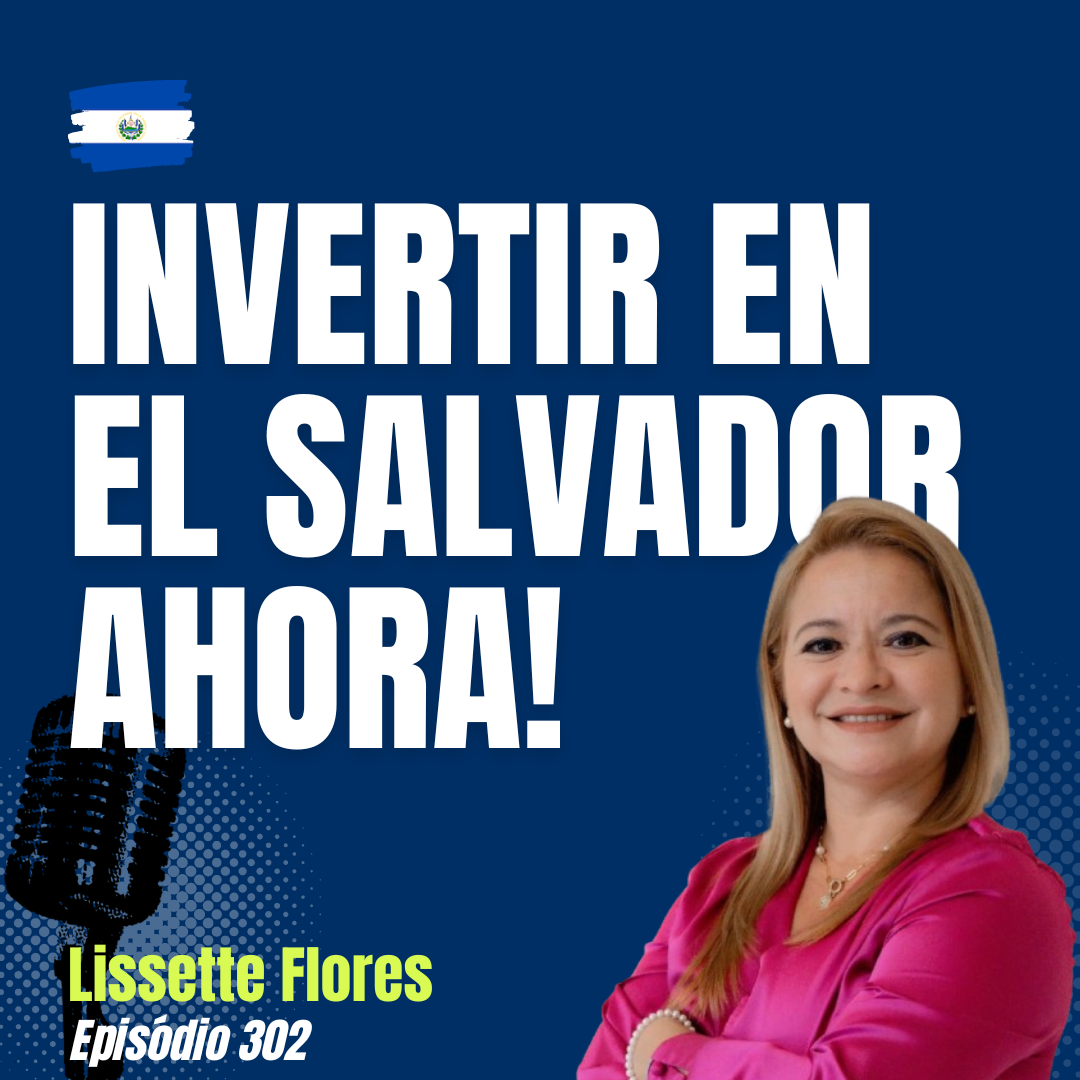
7. Expert Video Interview: Lissette Flores on HalloCasa
Gain deeper perspective on market realities, underwriting practices, and growth zones by watching the full in-depth interview with licensed Salvadoran real estate advisor Lissette Flores:

8. Frequently Asked Questions (FAQ)
Can foreigners legally buy and own real estate in El Salvador?
Yes, foreign individuals and international corporations can legally purchase and hold fee-simple title to real estate in El Salvador. Foreign investors enjoy property ownership rights comparable to domestic citizens and can execute acquisitions either in their personal names or through a registered Salvadoran legal entity (sociedad).
What is a "Certificación Extractada" and why is it essential?
A certificación extractada is an official legal instrument issued by the National Center of Registries (CNR). It displays the property's registration number (matrícula) and verifies clear title, confirming that the asset is unencumbered by mortgages (gravamen), tax liens, court judgments, or ongoing inheritance disputes. It is essential for protecting capital in any purchase.
What documents do US residents need to secure mortgage financing in El Salvador?
US-based borrowers and diaspora members seeking bank financing typically must provide their recent federal tax returns (Form 1040 / W-2 forms) along with a verified Experian credit report. If salaried income does not fully satisfy debt-to-income benchmarks, applicants who own businesses or hold shares can present certified corporate financial statements and dividend histories to document financial capacity.
How much earnest money is required for a purchase agreement in El Salvador?
Earnest money deposits (known locally as arras or down payments) stipulated within a promesa de venta typically range from 10% to 20% of the agreed purchase price. International buyers sometimes opt to commit 30% to 40% depending on transaction terms. Agreements standardly carry a withdrawal penalty, commonly around 5% of the earnest deposit, if a party reneges outside contractual contingencies.
What accounts exist to streamline overseas funds transfers?
To avoid traditional wire processing delays of three to six months, specialized programs such as "Cuenta 503" permit diaspora and international clients to open local accounts remotely. Account documentation is dispatched directly to the investor's international residence via secure courier for signing and return, enabling account activation ahead of property closing.
Which areas in El Salvador offer the highest capital appreciation?
Sustained capital appreciation centers on prime metropolitan districts including San Benito, Colonia Escalón, La Mascota, Santa Elena, Santa Tecla, and the fast-growing corridor of Nuevo Cuscatlán. For tourism hospitality and land banking, the Pacific coastline of Surf City 1 (La Libertad) and the emerging development zone of Surf City 2 lead the market.
9. Connect with Certified Advisory in El Salvador: Lissette Flores
Navigating cross-border transactions requires financial expertise and local market knowledge. Lissette Flores brings over 33 years of experience in the banking and financial sector, providing specialized advisory in property acquisition, credit navigation, and portfolio structuring.
Holding a Diploma in Real Estate Advisory and serving as an active member of the Cámara Salvadoreña de Bienes Raíces (member of the Events Committee) and the Salvadoran Association of Real Estate Professionals (AAI / ASAS), Lissette guides international investors, businesses, and returning diaspora families through secure, transparent acquisitions.
Direct Advisory & Verified Contact Channels:
- Direct Phone & WhatsApp: +503 7490 2128
- Facebook Profile: /lissettefloresbienesraiceselsalvador
- Instagram Profile: /lissetteflores.realtor
Protect your capital, verify your registral chain of title, and access vetted opportunities across El Salvador's dynamic property landscape.