
British Columbia Real Estate Evolution: In-Depth Market Analysis, Regulatory Framework, and Investment Strategies
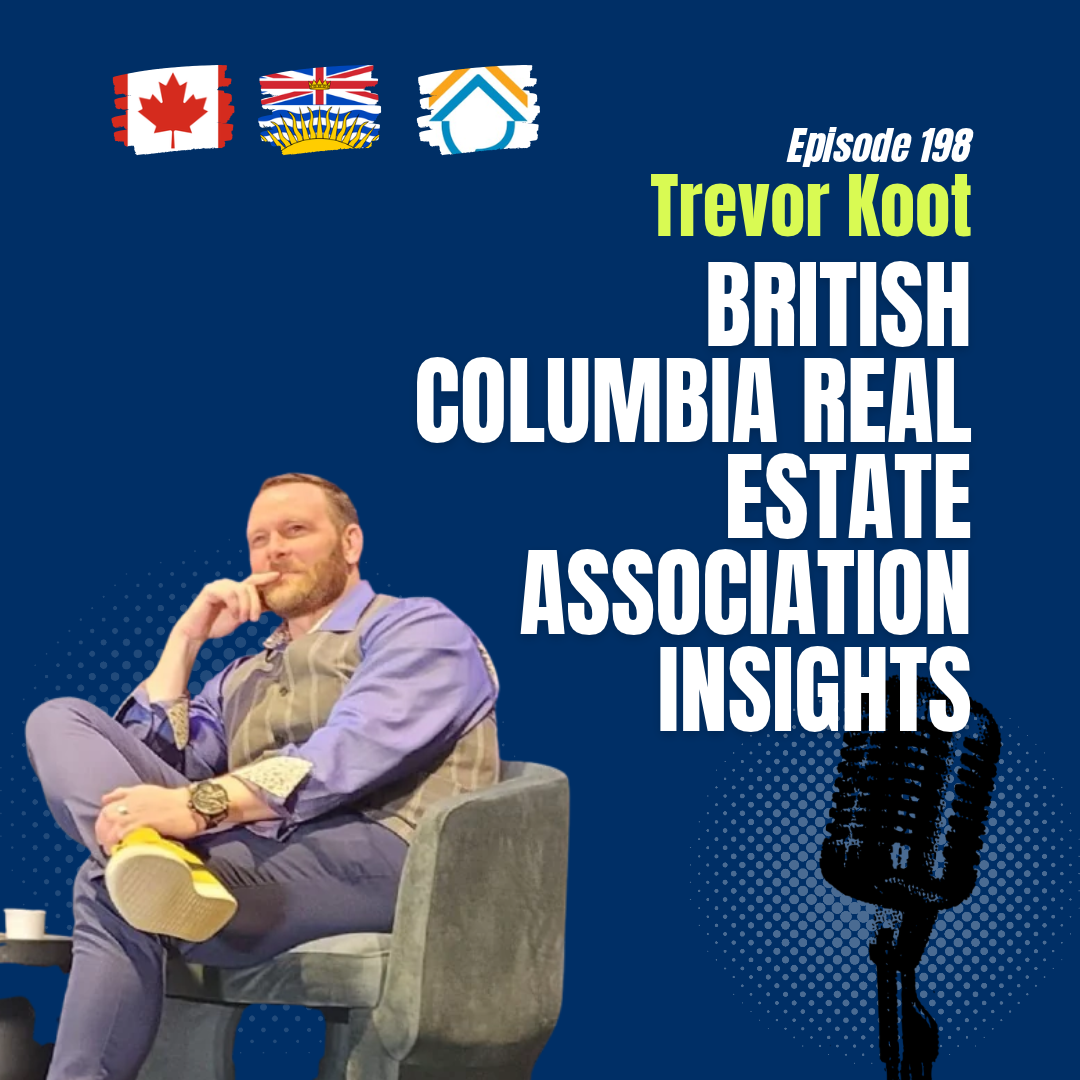
Welcome to our comprehensive guide analyzing the British Columbia housing ecosystem. Below is the featured video interview with Trevor Koot, Chief Executive Officer of the British Columbia Real Estate Association (BCREA), covering market cycles, regulatory changes, housing supply policy, and agent development.
Executive Summary: Direct Answers for Investors and Real Estate Professionals
For real estate investors in British Columbia, the current housing landscape in urban hubs like Greater Vancouver is characterized as a quiet buyer's market. Elevated inventory levels afford buyers significant choice and extended timelines to perform comprehensive due diligence, property inspections, and legal review without the frantic competition of past market peaks. Crucially, despite lower transaction activity and economic hesitation stemming from trade tariff uncertainties with the United States, asset prices across British Columbia have remained structurally resilient rather than suffering sharp devaluations.
For real estate agents and brokerage leaders participating in a global real estate network British Columbia, the province offers one of the most rigorously structured real estate ecosystems in North America. With more than 26,400 Realtors operating across eight local real estate boards, practitioners navigate 30-page legal purchase contracts, strict anti-money laundering regulations, and mandatory 18-hour professional education cycles every two years. As artificial intelligence transforms raw property data access, successful real estate agents must transition from basic information providers into specialized risk managers, strategic negotiators, and local market advisers.
Table of Contents
- 1. Vancouver and British Columbia Market Dynamics
- 2. Strategic Opportunities for Real Estate Investors in British Columbia
- 3. Regulatory Structure and Professional Standards in BC
- 4. Technology, Artificial Intelligence, and the Future of Real Estate
- 5. Leadership and Policy Advocacy with BCREA CEO Trevor Koot
- 6. Frequently Asked Questions (FAQ)
- 7. Resource Links and Guest Information
1. Vancouver and British Columbia Market Dynamics
Vancouver's Quiet Buyer's Market and Inventory Dynamics
The real estate market in Greater Vancouver has entered a quiet phase that favors buyers. High inventory accumulation across single-family homes, townhouses, and condominiums has relieved the intense pressure that historically defined West Coast real estate transactions. In this environment, buyers are empowered to include essential subject clauses—such as professional home inspections, detailed strata document reviews, and formal financing approvals—without fearing immediate outbidding by competing buyers.
Pricing Resilience and Capital Preservation
In standard real estate models, extended periods of low transaction volume and rising listing inventory typically lead to steep price declines. However, British Columbia presents a unique structural scenario where benchmark home prices remain firm. Homeowners across major metropolitan municipalities generally hold solid equity positions and are not forced into distressed liquidations. Consequently, property values hold steady while listings remain on the market longer, preserving long-term asset valuations for existing property owners.
Geopolitical Trade Friction and Consumer Sentiment
Cross-border economic relationships exert a profound influence on Western Canadian real estate sentiment. Ongoing discussions and policy debates surrounding trade tariffs between Canada and the United States create broader consumer hesitation. Because corporate investment, export supply chains, and employment stability in British Columbia are interconnected with international trade, prospective homebuyers and local investors often adopt a cautious wait-and-see posture until economic clarity returns.
2. Strategic Opportunities for Real Estate Investors in British Columbia
Long-Term Wealth Preservation and Supply Constraints
For international capital and local buyers, real estate in British Columbia offers exceptional long-term wealth preservation. Bound by Pacific oceanfront and mountain ranges, urban centers like Vancouver face permanent physical land constraints. Combined with steady population inflows and high livability indexes, baseline underlying housing demand remains robust. Investors willing to acquire assets during quieter market cycles positioned prior to interest rate shifts or policy adjustments often secure superior entry pricing.
Navigating Municipal Red Tape and Development Delays
A major bottleneck impacting housing delivery across British Columbia is administrative friction at the municipal level. Protracted rezoning procedures, extended permit approval windows, and substantial development cost levies place heavy financial burdens on residential projects. Prolonged approval timelines force developers to absorb long-term financing costs before breaking ground. These accumulated costs ultimately elevate final retail prices for home buyers and lower net yields for residential developers.
Maximizing Capital Flows via a Global Real Estate Network British Columbia
Connecting with a global real estate network British Columbia allows local agents and international real estate investors in British Columbia to collaborate seamlessly across borders. Foreign buyers, family offices, and institutional funds require trusted local advisory to navigate provincial property transfer taxes, foreign buyer regulations, and regional market nuances. An integrated global network connects local MLS listings directly to international investor pools, optimizing transaction efficiency and capital placement.
3. Regulatory Structure and Professional Standards in BC
The Governance Framework: BCFSA, BCREA, Local Boards, and CREA
British Columbia operates under a multi-layered regulatory architecture designed to safeguard public interest and elevate industry practice. The BC Financial Services Authority (BCFSA) serves as the government regulator, issuing trading licenses to over 29,000 individuals. To hold the official Realtor trademark, agents must belong to one of eight local real estate boards. These local boards form the membership of the British Columbia Real Estate Association (BCREA), which advocates for over 26,400 Realtors, while aligning nationally with the Canadian Real Estate Association (CREA).
Mandatory Continuing Education and Skill Elevation
To maintain active licensing credentials, Realtors in British Columbia must complete 18 hours of accredited professional development courses every two-year licensing cycle. BCREA continuously updates its educational curriculum to address evolving legal disclosures, anti-money laundering (AML) compliance, environmental risk factors, and risk mitigation strategies, fostering a culture of continuous learning among real estate practitioners.
The Evolution of 30-Page Contracts and Disclosures
Over the past three decades, residential real estate paperwork in British Columbia has expanded from simple two-page purchase agreements into complex 30-page legal instruments. Modern contracts encompass extensive agency representation acknowledgments, property disclosure statements, FINTRAC identity verifications, and detailed subject clauses. Experienced real estate professionals play an essential role in interpreting these dense legal documents to ensure buyers and sellers fully understand their contractual obligations.
4. Technology, Artificial Intelligence, and the Future of Real Estate
Associations as Service Delivery Entities, Not Tech Companies
While technology plays an integral role in modern property search, real estate associations and local boards operate primarily as service delivery organizations rather than software development firms. Their core mandate centers on empowering real estate agents with high-standard standard contracts, comprehensive market analytics, regulatory guidance, and administrative support, allowing agents to manage their businesses efficiently.
Large Language Models and MLS Data Exposure
The rapid emergence of generative artificial intelligence and large language models (LLMs) is reshaping how consumers interact with property listings. Historical sales data and listing specifications previously protected within closed Multiple Listing Service (MLS) databases are increasingly exposed to public search models. Industry leaders recognize that technology will continually democratize information access, shifting agent value away from data gatekeeping toward strategic advisory.
The Irreplaceable Human Element in Complex Transactions
Despite technological advancements, real estate acquisitions remain among the most significant financial and emotional milestones in an individual's lifetime. High-stakes negotiations, custom property evaluations, local neighborhood dynamics, and complex legal risks require human empathy, critical thinking, and tailored strategic counsel that automated algorithms cannot duplicate.
5. Leadership and Policy Advocacy with BCREA CEO Trevor Koot
Career Path and Multi-Province Leadership Experience
Trevor Koot brings a broad background to his leadership role at BCREA. Holding both an MBA and a Master of Laws (LLM) degree, Koot's 20-year career spans five Canadian provinces and one territory. His professional journey includes working as a residential sales agent, commercial brokerage owner, property management executive, chair of a provincial real estate regulatory commission, and CEO of regional MLS organizations before stepping into the chief executive role at BCREA in 2022.
Advocating for Housing Supply and Regulatory Balance
Under Trevor Koot's leadership, BCREA actively engages with provincial and municipal governments to drive evidence-based housing policies. BCREA's advocacy focuses on reducing administrative development barriers, streamlining building permit approvals, and establishing clear regulatory frameworks that protect consumers without imposing excessive administrative costs on real estate transactions.
6. Frequently Asked Questions (FAQ)
Is the Vancouver housing market currently favoring buyers or sellers?
The Vancouver residential market is currently functioning as a quiet buyer's market. Accumulated inventory provides buyers with selection and adequate time to complete property inspections, secure financing, and review legal disclosures before presenting offers.
Why haven't home prices in British Columbia dropped significantly during quiet market periods?
Homeowners in British Columbia generally maintain strong equity positions and solid financial backing, preventing distressed sales. As a result, property values have held firm rather than experiencing sharp price declines.
What is the difference between a real estate licensee and a Realtor in BC?
A licensee is authorized by the BC Financial Services Authority (BCFSA) to trade in real estate. A Realtor is a licensee who chooses to belong to a local real estate board, the provincial association (BCREA), and the national association (CREA), adhering to a strict professional code of ethics.
How many hours of continuing education are required for BC Realtors?
Realtors in British Columbia are required to complete 18 hours of accredited professional development courses during every two-year licensing period to maintain active membership and licensing status.
How does municipal red tape impact housing affordability in British Columbia?
Municipal delays in zoning approvals and permit issuance extend development timelines, forcing builders to carry high interest costs over longer periods. These financial holding costs increase final housing construction expenses, impacting affordability for home buyers.
What advantage does a global real estate network British Columbia offer investors?
A global real estate network connects local market professionals with international buyers and capital pools, facilitating smooth cross-border transactions, regulatory compliance, and strategic investment placement in British Columbia real estate.
7. Resource Links and Guest Information
To learn more about the insights shared by Trevor Koot and the ongoing initiatives at the British Columbia Real Estate Association, visit the official links below:
Explore the official provincial association portal: Visit BCREA
Listen to Trevor Koot's podcast on industry leadership: Business is Fucking Hard Podcast
Connect with Trevor Koot on professional channels: Trevor Koot LinkedIn Profile


