Rooting Innovation: How Architecture and Identity Drive the Global Real Estate Future
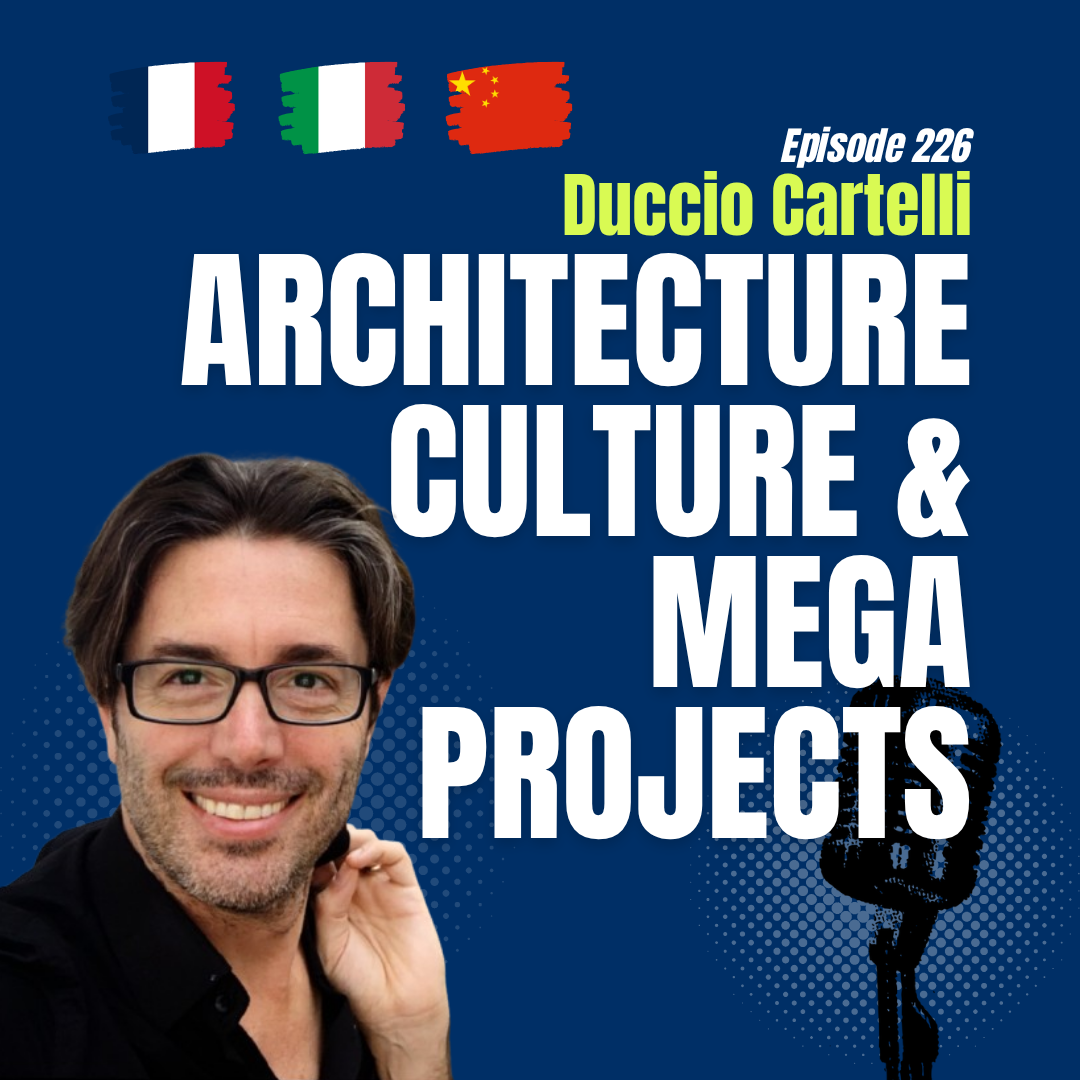
For the modern real estate broker and savvy real estate investor, the landscape of global property is shifting beneath our feet. We are moving away from the era of "generic glass boxes" and into a period where identity, local culture, and rooted innovation define the most valuable assets in any real estate directory. To understand this evolution, we look to the insights of Duccio Cartelli, founding partner of And Studio Architects, who has spent decades shaping the skylines of Paris, Shanghai, and Saudi Arabia.
In this comprehensive guide, we explore how architectural philosophy impacts investment returns, the emerging "gold mines" in the Middle East and Asia, and why the next high-performing listing in your real estate investment directory will likely be defined by its "sense of place."
Table of Contents
- The ROI of Identity: Why Place-Based Architecture Wins
- Emerging Frontiers: Saudi Arabia and the "Silent Revolution"
- The 5,000-Family Rule: Science-Backed Urban Planning for Brokers
- Water as the New Gold: Vertical Farming and Desert Real Estate
- AI and the Future of the Architect Directory
- Conclusion: Navigating the New Global Landscape
The ROI of Identity: Why Place-Based Architecture Wins
In the competitive world of high-end property, a building is more than just square footage—it is a brand. Cartelli argues that many modern projects fail because they lose the identity of the place, ignoring the specific culture and lifestyle of the location. For a real estate broker, selling a "landmark" that feels disconnected from its roots can be a challenge. Conversely, a project "rooted deeply" in its environment—like And Studio’s museum in Lassa, Tibet—becomes an irreplaceable asset.
Landmarks vs. Contextual Architecture
While "completely crazy" landmark buildings are sometimes necessary to create a global buzz, they can often be ego-driven. For the long-term real estate investor, the most sustainable value often lies in "cocoon spaces"—environments that respect local proportions and cultural sensibilities. Cartelli highlights that by researching local monastery organization in Lassa or ancient wood techniques in Chengdu, architects can create buildings that "cannot be moved elsewhere" because they are so deeply connected to their site. This uniqueness is a key selling point for any premium property found in a global real estate directory.
Emerging Frontiers: Saudi Arabia and the "Silent Revolution"
If you are looking for the next massive growth phase in your real estate investment directory, Saudi Arabia is the focal point. Cartelli describes the current state of the Kingdom as an economical and visual revolution. With plans to double the population in the next 15 years, the demand for architects, urban planners, and brokers is unprecedented.
The Saudi Strategy: Marketing Through "Unthinkable" Projects
Saudi Arabia is utilizing "crazy project" marketing—such as The Line—to shift global mindsets and attract international investment. Much like the Burj Khalifa did for Dubai, these symbols draw in the professional class and investors who see the rising trajectory of housing prices. For brokers, the massive influx of international communities and the government's investment in mega-parks and infrastructure represent a generational opportunity.
The Asian Pivot: Vietnam and Indonesia
Beyond the Middle East, the real estate directory is seeing a surge in Vietnam and Indonesia. Cartelli notes that Jakarta is moving its capital to Borneo, creating an entirely new urban canvas. Meanwhile, Vietnam’s stable economy and growing demand for sophisticated urban design make it a primary target for international firms.
The 5,000-Family Rule: Science-Backed Urban Planning for Brokers
One of the most valuable insights for a real estate broker specializing in new developments is the "perfect neighborhood" size. Studies suggest that a community of maximum 5,000 families creates the ideal "feeling of neighborhood," preventing the loneliness often found in mega-cities.
Real estate investors should prioritize developments that treat the "empty space" between buildings with as much care as the buildings themselves. By creating "cocoon spaces" and streets that solicit curiosity, developers can ensure higher tenant retention and community pride. When searching an architect directory for your next project, look for partners who understand anthropological adaptation—designing for how people actually walk, interact, and thrive.
Water as the New Gold: Vertical Farming and Desert Real Estate
Sustainability is no longer a "nice-to-have" feature; it is a fundamental requirement for modern real estate listings. In arid climates like Saudi Arabia, water is the new gold. The future of luxury real estate in these regions will not involve thirsty green lawns but rather indigenous landscaping and vertical farming technology.
The 80% Reduction: A Game Changer for Operating Costs
Vertical farming can reduce water consumption per plant by 80%, using closed-loop cycles that eliminate waste. For real estate investors, integrating these technologies into mixed-use developments offers a path toward food independence and significantly lower utility overhead. This is the kind of innovation that should be highlighted in any real estate directory description to attract eco-conscious buyers.
AI and the Future of the Architect Directory
The role of the architect is being revolutionized by Artificial Intelligence (AI). While AI cannot yet reproduce human fantasy, it has become an essential research tool for rapid concept development. Cartelli notes that AI allows firms to understand the "codes" of a site they have never visited, which is crucial when clients demand concepts "from now to tomorrow".
For the real estate community, this means faster turnaround times and more data-driven designs. However, the human element—the ability to interpret the history of architecture to understand its future—remains the most critical factor in creating high-value assets. As the real estate directory becomes more automated, the value of a curated architect directory featuring experts who can "reinvent the box" within strict budget constraints will only grow.
Conclusion: Navigating the New Global Landscape
The global real estate market is entering a phase where innovation must be rooted in identity. Whether it is the silent revolution in Saudi Arabia, the urban shifts in China, or the rise of vertical farming, the most successful real estate brokers and investors will be those who partner with architects who share this vision of human-centric, culturally respectful design.
As you browse your preferred real estate directory or look to expand your portfolio, remember that the most valuable properties are those that make a person feel the building is "their own". Innovation is not just about the newest tech; it is about finding the right identity for the future.
Watch the Full Interview: Identity and Innovation in Architecture
Gain deeper insights into the evolution of global architecture by watching the full discussion with Duccio Cartelli below:

For professional inquiries and to connect with Duccio Cartelli and the team at And Studio, visit their official contact page:
Contact Duccio Cartelli & And Studio Architects
Disclaimer: This article was created based on insights from the "Rooting Innovation" interview series. Information regarding market trends and architectural philosophies should be verified with local experts in your specific real estate directory.