The Power of a Global Real Estate Network: Bridging Investments Between Miami, Portugal, and Italy
In the rapidly evolving world of property acquisition, the concept of a global real estate network has transitioned from a luxury to an absolute necessity for the serious investor. As market dynamics shift in the United States, savvy real estate brokers and investors are looking across the Atlantic to find stability, lifestyle, and high-yield opportunities. From the sun-drenched skyscrapers of Miami to the historic villas of Tuscany and the modern beachfronts of the Algarve, the transatlantic bridge is busier than ever.
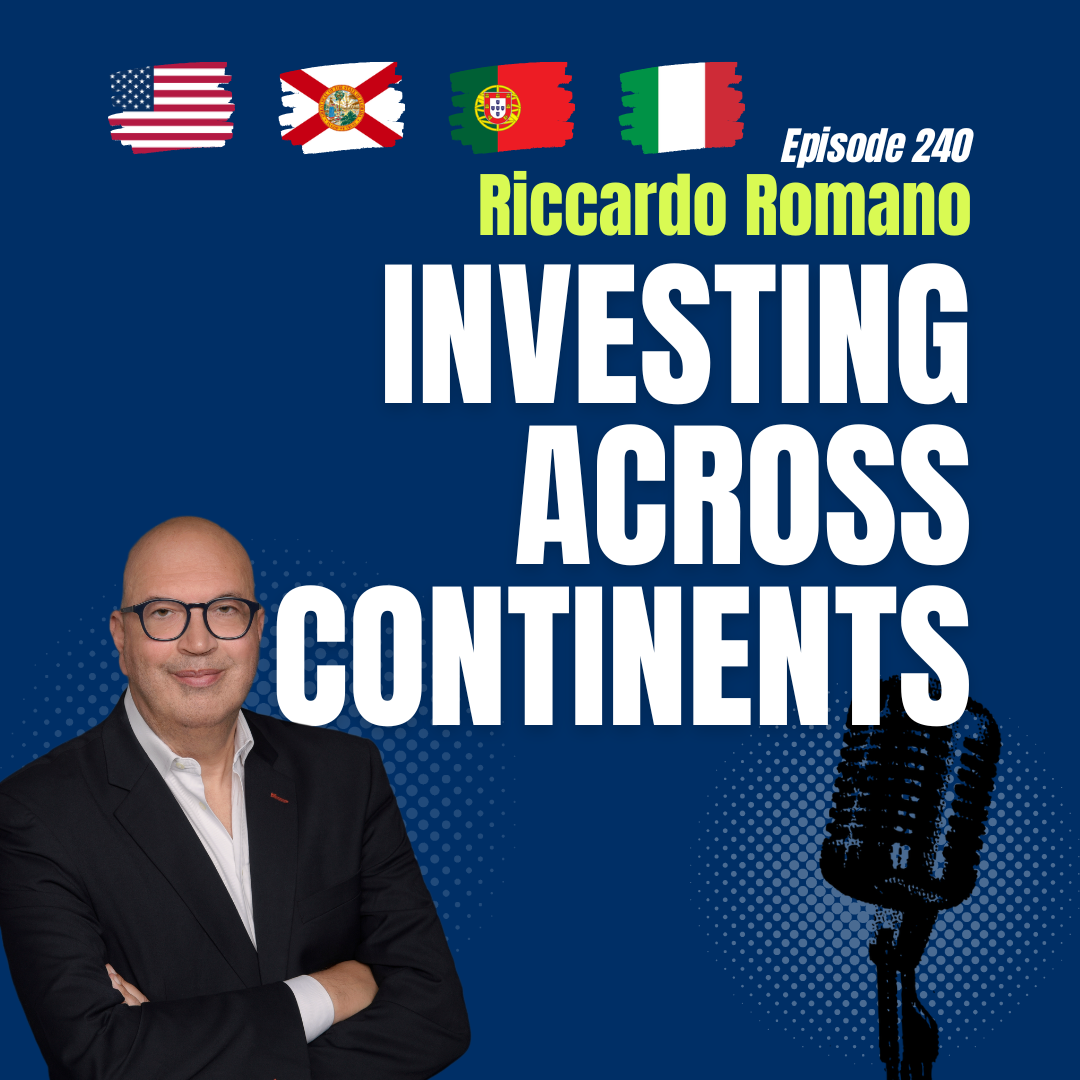
This article explores the insights of Riccardo Romano, a seasoned real estate professional and Italian attorney based in Miami, who has successfully navigated these markets for over a decade. We will delve into why a connected network is the key to unlocking international success and how investors can leverage specific European incentives to diversify their portfolios.
Table of Contents
- The Great Market Shift: Why Florida Investors are Looking to Southern Europe
- Leveraging a Global Real Estate Network for Cross-Border Success
- Portugal’s Phase 2: The New Golden Visa and the Algarve Appeal
- Italy’s Flat Tax: A Haven for High-Net-Worth Real Estate Investors
- The Hybrid Investment Model: Turning Second Homes into Income Engines
- Navigating the Legal Maze: Why Expertise Across Jurisdictions Matters
- Connect with Riccardo Romano
The Great Market Shift: Why Florida Investors are Looking to Southern Europe
For years, Florida was a "flipping" paradise. Riccardo Romano recalls a time when purchasing distressed properties at court auctions, renovating them quickly with reliable contractors, and reselling for a profit was a staple of the Miami market. However, the landscape has changed. Today, rising prices and increased costs for materials and labor have made traditional flipping a high-risk endeavor.
The Challenge of the Current Florida Market
In Florida, investors currently face a "waiting phase" as they watch the Federal Reserve’s interest rate decisions. Additionally, high Homeowners Association (HOA) rates in condominiums have become a significant hurdle. While Miami remains a vibrant city with constant new construction and a booming rental market, these domestic challenges are driving investors to seek better value and lower lifestyle costs overseas.
Leveraging a Global Real Estate Network for Cross-Border Success
For a real estate broker, the ability to offer clients access to an international real estate network is a major competitive advantage. Investing abroad is not just about finding a property; it is about building a "bridge". This involves having local agents in every target city who speak the language and understand local customs, yet are overseen by a professional who understands the American standard of service.
Why Brokers Need a Transatlantic Partner
Brokers who participate in a global real estate network can provide their clients with a seamless "US-style" transaction experience, even when the property is thousands of miles away in Rome or Lisbon. This level of security is vital because real estate in these regions is protected by robust laws and government stability, making it a safe haven for capital.
Portugal’s Phase 2: The New Golden Visa and the Algarve Appeal
Portugal has become a primary destination for American remote workers and retirees alike. The lifestyle is quiet, the cost of living is significantly lower than in the US, and the scenery—particularly in the Algarve—is world-class.
Understanding the Golden Visa Evolution
The famous "Golden Visa" has entered Phase 2. While it no longer allows for direct real estate purchases to qualify for residency, investors can still obtain a Portuguese passport (a Schengen passport) by investing €500,000 in private equity or venture capital funds. This provides the freedom to travel throughout Europe without additional visas, while the investor can still separately purchase luxury real estate in high-demand areas like the Algarve.
Modern Amenities with European Charm
In Portugal, new construction often mirrors the "Miami taste," featuring large windows, air conditioning, and modern appliances that American investors have come to expect. This makes the transition into the Portuguese market much smoother for those accustomed to Florida’s luxury standards.
Italy’s Flat Tax: A Haven for High-Net-Worth Real Estate Investors
Italy offers a different, yet equally compelling, value proposition. While Portugal attracts those seeking modern amenities, Italy is the choice for those who value heritage, history, and significant tax advantages.
The €200,000 Flat Tax Incentive
One of the most attractive rules for high-net-worth individuals is Italy’s Flat Tax for investors. Under this regime, eligible investors can pay a flat rate of €200,000 per year regardless of the size of their international income or investment scale. This financial incentive naturally leads many to invest in Italian real estate, particularly in regions like Tuscany.
Historical Assets as Long-Term Value
In Italy, the focus is often on historical mansions or homes with olive groves and vineyards. These properties represent more than just a home; they are a legacy. With the right global real estate network, an investor can find a property that has stood for two centuries but is outfitted with modern luxury.
The Hybrid Investment Model: Turning Second Homes into Income Engines
A key strategy discussed by Riccardo Romano is the "Income-Producing Second Home". This model addresses the common concern: "What happens to the house when I'm not there?"
Through a comprehensive global real estate network, investors can access property management companies that handle short-term rentals. This allows an owner to enjoy their villa in Tuscany or apartment in the Algarve for two or three months a year while generating an extra income during the remaining months. This turns a traditional "cost" into a true investment vehicle.
Navigating the Legal Maze: Why Expertise Across Jurisdictions Matters
The biggest hurdle in international real estate is the complexity of foreign legal systems. Riccardo Romano’s background as an Italian attorney provides a unique layer of security for his clients. A global real estate network must include:
- Legal Support: Navigating contracts and residency requirements.
- Tax Planning: Understanding the implications of the Flat Tax or fund investments.
- Banking: Assisting with the opening of local bank accounts and navigating electrical or utility services.
Having a single point of contact who understands both the European and US legal landscapes ensures that the investor is protected from "bad deals" and is followed step-by-step through the post-sale process.
Watch the Full Insightful Discussion
To learn more about these transatlantic strategies, watch the full interview with Riccardo Romano below:

Connect with Riccardo Romano
Are you looking to expand your portfolio through a global real estate network? Riccardo Romano offers a customized, full-fledged service including property searching, legal council, and property management across Florida, Italy, and Portugal.
Contact Riccardo Romano today:
Investing in real estate is a historical path to wealth. Whether you are seeking a new life with a "roof over your head" in Europe or looking for a sophisticated investment vehicle outside of the US, the right network makes all the difference.