The Ultimate Guide for Real Estate Investors in Panama: Market Dynamics, Legal Frameworks, and Navigating the Panama Property Market
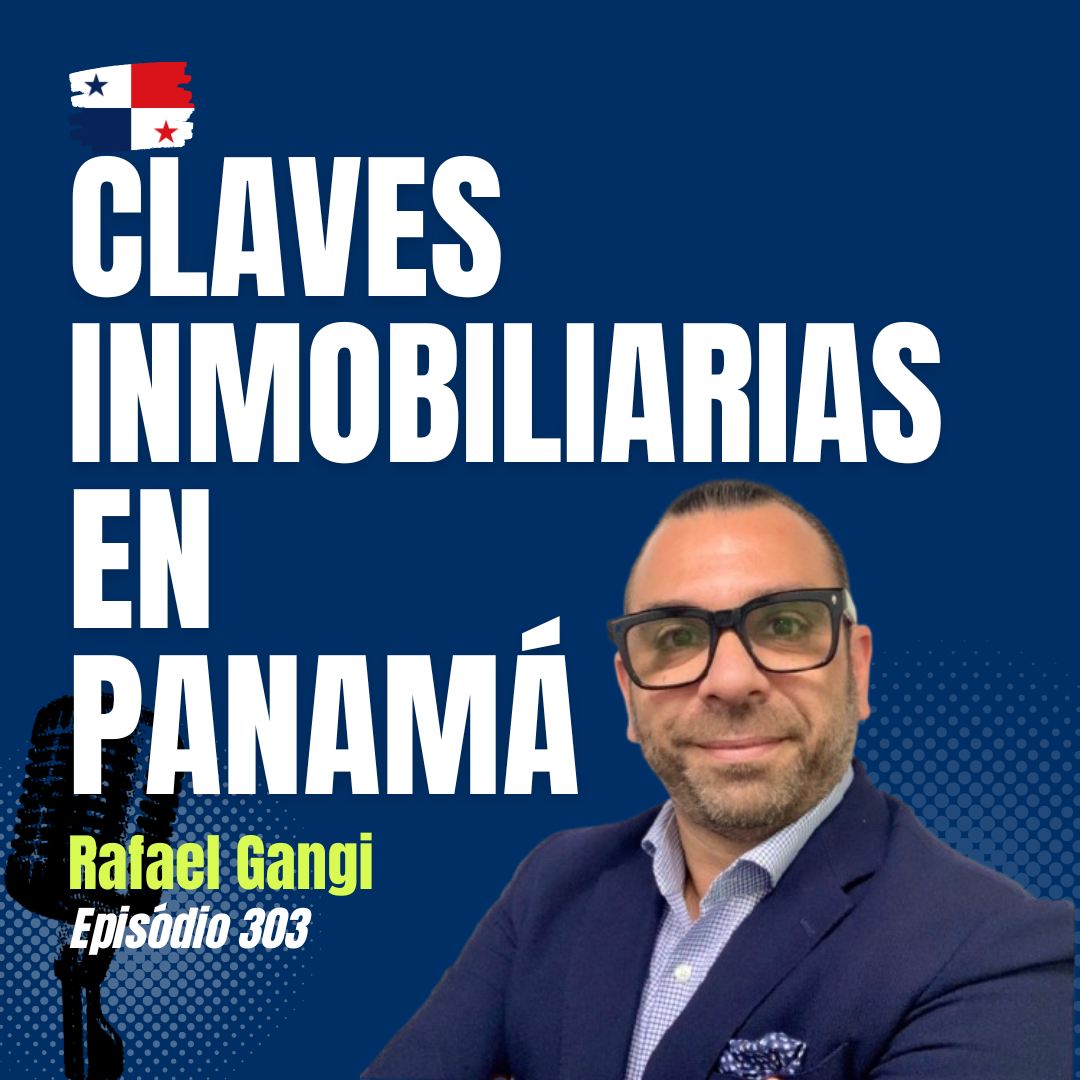
An In-Depth SEO Analysis for Global Investors and Real Estate Professionals Based on Industry Insights from Rafael Gangi (Realty ONE Group Singular / FIABCI Panama)
Executive Summary: Essential Facts for Real Estate Investors in Panama
Want to Know the Key Highlights? Here are the essential facts for investing and operating in Panama:
- Is Panama a secure investment market? Yes. Panama utilizes the US Dollar as legal tender, has no central bank dictating commercial interest rates, and offers direct title ownership for foreign nationals registered under their passport number.
- What are the buyer closing costs in Panama? Extremely low! Property buyers pay 0% real estate agent commission and no state transfer tax. The buyer's primary closing cost is a Public Registry fee averaging approximately $1,500.
- Can foreign non-residents get a mortgage in Panama? Yes. Local banks finance foreign investors with an average Loan-To-Value (LTV) of 50% (ranging from 40% to 70%) based on income documentation from their country of origin.
- How do annual property taxes work? Properties valued under $30,000 are 0% exempt. Above $30,000, rates range from 0.60% to 1.00% depending on property value brackets. Primary residences enjoy even lower rates starting at 0% up to $120,000.
- How can investors and agents connect? Utilizing a top-tier real estate directory Panama platform connects international buyers directly with certified local brokers (corredores idóneos) and verified property opportunities.
1. Why Real Estate Investors in Panama Choose the Hub of the Americas
Panama has long stood as a preeminent hub for logistics, international banking, regional headquarters, and cross-border capital placement. For global real estate investors in Panama, the country represents a unique blend of monetary stability, capital preservation, and attractive yields.
Understanding Panama's Market Dynamics
Following historical expansion phases where Panama achieved double-digit annual growth rates around 10% to 11%, the market experienced a natural macroeconomic deceleration. As industry leader Rafael Gangi clarifies, this deceleration reflects broader global economic cycles rather than localized market distress or property devaluation. Panama's real estate prices have not experienced artificial crashes; instead, the market smoothly transitions through natural cycles between buyer's markets and seller's markets, resulting in realistic closing prices relative to initial list prices.
The Paradigm Shift: From Yield Pursuit to Wealth Security
A fundamental shift has occurred in international investor behavior. In prior decades, cross-border buyers asked primarily, "Where can I get the absolute highest return on capital?". Today, international investors prioritize capital security, financial privacy, legal stability, and asset protection alongside healthy rental yields.
Panama addresses these priorities through foundational economic advantages:
- US Dollar Economy: Using the USD eliminates currency devaluation risks common in emerging markets.
- No Central Bank Control: Without a central bank dictating commercial lending rates, Panama's banking system operates with financial flexibility and independence.
- A Resilient Financial System: Highly capitalized local and international banks offer an environment for asset preservation.
2. Major Investment Hotspots: City, Beach, and Mountain Destinations
Whether navigating local listings or searching a real estate directory Panama database, investors will find diverse micro-markets across Panama's landscape.
Metropolitan Panama City: Urban Growth and Short-Term Rental Yields
The Panama City metropolitan area remains the central driver for residential and commercial real estate transactions:
- San Francisco (including Punta Pacífica and Coco del Mar): Highly sought-after urban districts featuring high-rise luxury towers, oceanfront views, and commercial vitality. Average unit pricing hovers around $500,000, attracting both affluent local buyers and international investors.
- Costa del Este & Santa María: Master-planned, high-standing communities hosting multinational corporate headquarters, luxury residential towers, top-tier international schools, and golf courses.
- Short-Term Rental (Airbnb) Licensed Projects: Panama City features purpose-built developments delivered with explicit commercial tourist rental licenses, allowing investors to maximize cash flows via short-term vacation and business rentals.
Beach and Mountain Regions: High European and North American Demand
Panama's real estate potential extends beyond its capital city:
- Coastal Beach Communities: Pacific coastal areas offer luxury resort condominiums and beach houses with high year-round weekend and vacation rental occupancy.
- Mountain Highlands: Highland destinations such as Boquete and El Valle de Antón experience high occupancy rates driven by European retirees, eco-tourists, and lifestyle investors.
Importantly, submarkets in Panama operate in structural harmony. Urban, beach, and mountain properties grow simultaneously without cannibalizing one another's appreciation or rental demand.
3. Step-by-Step Purchasing Process for Foreign Buyers
Panama offers one of the most transparent real estate transaction frameworks in Latin America. The process is straightforward for both primary (developer pre-construction) and secondary (resale) properties.
Step 1: Partnering with a Certified Real Estate Broker (Corredor Idóneo)
The first critical step for any buyer is selecting a certified, licensed broker (corredor idóneo). In Panama, licensed real estate agents undergo rigorous national training and hold official government credentials, ensuring ethical oversight and legal protection for buyers. Finding verified agents via a trusted real estate directory Panama platform guarantees professional representation.
Step 2: Defining Investment Intent and Property Selection
Your broker will analyze your investment objectives—whether you seek a secondary home, a pure rental yield asset, or an acquisition tied to Panama's investor residency programs.
Step 3: Reservation Agreement and Legal Due Diligence
Once a property is selected, a formal reservation document is executed alongside your legal counsel. The attorney verifies that the property title is free of encumbrances, liens, or legal restrictions.
Step 4: Executing the Purchase Contract
- Primary Market (Developer/Pre-construction): The developer provides a Promissory Option to Purchase Contract detailing construction timelines, installment schedules, and delivery conditions. Title is transferred upon issuance of the official Occupancy Permit (permiso de habitabilidad).
- Secondary Market (Resale): A Purchase and Sale Contract is executed between seller and buyer, detailing payment terms, escrow arrangements, or bank mortgage commitments.
4. Title Guarantee: The Public Registry (Registro Público) Advantage
A key security feature for cross-border real estate investors in Panama is the country's centralized Public Registry (Registro Público).
The "Finca" System and Lifetime Title Security
Every real estate parcel in Panama is assigned a unique property identification number known as a finca. The Public Registry records the complete, unbroken chain of ownership, encumbrances, mortgages, and transaction prices for every finca from its creation to the present day.
Direct Ownership via Passport (No Trust Required)
Unlike other Latin American destinations that require foreign buyers to hold coastal real estate through complex, costly bank trusts, Panama allows foreign nationals to hold direct fee-simple title in their personal name using their valid passport. Once registered, your ownership title is recorded permanently in the public system.
Digitalization and 48-Hour Title Transfers
Panama's Public Registry utilizes digital telematics platforms. Once transaction requirements and tax clearances are satisfied, title transfers can be officially registered in as little as 48 hours. Furthermore, any buyer or agent can create a free account on the Public Registry portal to verify property ownership, legal standing, and title status in real-time.
5. Transaction Costs and Property Tax Breakdown
Understanding transaction fees and tax structures is vital when evaluating global real estate opportunities. Panama offers an exceptionally favorable fee structure for property buyers.
Who Pays What? Buyer vs. Seller Costs
Buyer Responsibilities:
- Real Estate Brokerage Fee: 0% (Buyers pay no agent commission).
- State Capital Gains & Transfer Taxes: 0% (Paid entirely by the seller).
- Public Registry Fee: Buyer pays registration transfer fees (~$1,500 on average).
Seller Responsibilities:
- Real Estate Brokerage Fee: Full commission (typically 5%).
- State Capital Gains & Transfer Taxes: Pays all capital gains and transfer taxes.
- Public Registry Fee: None.
Panama Property Tax Rates (DGI / Catastro Schedule)
Property taxes in Panama (administered by the DGI) are calculated based on the registered cadastral value (valor catastral). Panama applies a progressive tax schedule:
Standard Investment Property Tax Brackets:
- Up to $30,000 Cadastral Value: 0.00% (Exempt)
- $30,001 to $250,000: 0.60%
- $250,001 to $500,000: 0.80%
- Over $500,000: 1.00%
Primary Residence (Vivienda Principal / Family Estate) Tax Brackets:
- Up to $120,000 Cadastral Value: 0.00% (Exempt)
- $120,001 to $700,000: 0.50%
- Over $700,000: 0.70%
Practical Example: Property Tax on a $500,000 Investment Property
For an investment property with a cadastral value of $500,000, the annual property tax calculation breaks down as follows:
- First $30,000 = $0
- Next $220,000 (at 0.60%) = $1,320
- Remaining $250,000 (at 0.80%) = $2,000
- Total Annual Property Tax: Approximately $3,320 per year (~$276 per month).
Property taxes can be paid conveniently online through Panama online banking systems.
6. Mortgage Financing Options for International Buyers
A common question among global buyers is whether non-resident foreign investors can secure mortgage financing in Panama. The answer is a clear yes.
Mortgage Loan-To-Value (LTV) Ratios for Foreigners
Panamanian commercial banks regularly extend mortgage facilities to foreign investors based on extraterritorial income verification. While loan terms vary based on client profiles, local banks provide an average mortgage coverage of 50% LTV for foreign non-residents (with ranges spanning from 40% up to 70% in specific qualified profiles).
Required Documentation for International Borrowers
To qualify for a local mortgage, foreign buyers must submit:
- Income tax returns from their home country (e.g., IRS tax returns, Notice of Assessment).
- Audited financial statements and bank statement histories.
- Personal and banking reference letters.
- Proof of extraterritorial business activities.
Providing a 50% down payment on a luxury unit (e.g., $250,000 on a $500,000 property) frequently aligns with equity requirements for Panama's Qualified Investor Residency program.
7. For Real Estate Agents: The UNbrokerage Model and Ethics Over Pure Sales
Panama's real estate ecosystem offers immense opportunities not only for investors but also for global real estate agents seeking to expand their cross-border networks.
The UNbrokerage Model with Realty ONE Group Singular
Rafael Gangi, Broker/Representative for Realty ONE Group Singular in Panama (with prime offices in San Francisco and Costa del Este), highlights the shift taking place in agency models. The innovative "UNbrokerage" model disrupts traditional corporate real estate paradigms by prioritizing agent empowerment, lifestyle branding, advanced technological ecosystems, and a strong community culture.
Rather than functioning as a high-volume "realtor factory," the UNbrokerage approach equips agents with continuous education via platforms like ONE University, high-tech MLS tracking tools, and high-percentage commission models that allow realtors to build sustainable businesses.
Salesperson vs. Certified Realtor: Elevating Industry Standards
As a professor at the Tecnológico de Monterrey (Costa Rica campus), Rafael Gangi stresses the distinction between a transactional "salesperson" and a professional "realtor":
- The Salesperson: Focuses narrowly on closing immediate transactions without deep market knowledge or long-term client stewardship.
- The Certified Realtor: Acts as an educated advisor possessing formal licensing, international NAR designations (such as CIPS, CRS, SRS, ABR, Green), strict ethical codes, and mastery of market data.
Gangi notes: "An agent's reputation is like crystal—delicate, valuable, and requiring constant protection through rigorous professional conduct and continuous education".
Collaboration Over Competition ("Cooperadores, No Competidores")
Real estate is inherently a collaborative, global industry. Successful agents do not view fellow brokers as adversaries; rather, they act as cooperative partners (cooperadores) sharing MLS inventories, co-brokering cross-border leads, and elevating industry standards collectively.
8. Maximizing Global Reach via a Real Estate Directory Panama
In an increasingly digital real estate market, utilizing a centralized real estate directory Panama platform is essential for both global investors and growth-oriented real estate agents.
How a Panama Real Estate Directory Empowers Global Investors
For international buyers, browsing a trusted real estate directory Panama platform provides direct access to curated, verified listings across Panama City, beach resorts, and mountain highlands. It eliminates unverified listings and connects investors directly with certified corredores idóneos.
Empowering Local Agents to Go Global
For local real estate professionals in Panama, integrating with international property platforms—such as HalloCasa and its specialized agent tools—transforms local real estate agents into global property advisors. By listing inventory on a global real estate directory Panama network, brokers can reach international investors in North America, Europe, and Latin America.
9. Watch the Exclusive Interview with Rafael Gangi
Gain deeper insights into Panama's real estate market, legal security, and brokerage models by watching the complete podcast interview hosted by Michael Franz on HalloCasa featuring Rafael Gangi.

10. Expert Profile & Direct Contact Details for Rafael Gangi
Rafael Gangi is an authority in Panama and Latin American real estate, bringing over 20 years of executive leadership. Having founded master franchises such as Panama Sotheby's International Realty and Global Realty Enterprises, he currently leads the expansion of the UNbrokerage model with Realty ONE Group Singular.
He serves as President of FIABCI Panama, member of the GRI Club, SIOR, and holds prestigious NAR designations including CIPS, CRS, SRS, ABR, Green, and Global Luxury Property Specialist. He is also a faculty member at the Tecnológico de Monterrey.
Direct Contact Information for Rafael Gangi:
- Phone / WhatsApp: +507 6550-5186
- Official Corporate Website: ROG Singular Official Website
- HalloCasa Certified Broker Profile: Rafael Gangi Profile on HalloCasa
- LinkedIn Professional Profile: Rafael Gangi LinkedIn Profile
11. Frequently Asked Questions (FAQ)
Q1: Can foreign real estate investors in Panama buy property with 100% direct title ownership?
Yes. Foreign nationals enjoy full, direct fee-simple ownership rights in Panama, registered under their personal passport number at the national Public Registry (Registro Público). No complex offshore trusts or local partnerships are required.
Q2: What closing costs should a buyer budget when purchasing property in Panama?
Buyers in Panama enjoy exceptionally low transaction costs. Buyers pay 0% real estate agent commission and no state capital gains or transfer taxes (which are paid entirely by the seller). The buyer's primary closing cost is the Public Registry transfer fee, which averages around $1,500.
Q3: How are annual property taxes calculated for investment properties in Panama?
Property taxes are based on cadastral values (valor catastral). The first $30,000 in value is 0% exempt. Values from $30,001 to $250,000 pay 0.60%; values from $250,001 to $500,000 pay 0.80%; and values over $500,000 pay 1.00%. Primary family residences enjoy even higher exemption thresholds up to $120,000.
Q4: Can international buyers obtain mortgage financing from local Panama banks?
Yes. Local Panamanian banks routinely offer mortgages to foreign non-resident investors. The typical average coverage is 50% LTV, requiring buyers to provide tax returns from their home country, bank reference letters, and financial statements.
Q5: What makes the UNbrokerage model different for real estate agents in Panama?
The UNbrokerage model, represented by Realty ONE Group Singular, focuses on agent support, technology, community culture, and continuous education through platforms like ONE University. Rather than treating agents as transactional salespeople, it empowers them as professional real estate advisors with high commission retention.
Q6: Why should investors and agents use a real estate directory Panama platform?
A specialized real estate directory Panama platform connects global investors directly with certified local brokers (corredores idóneos) and verified property listings. For agents, it provides an international conduit to showcase local property inventory to cross-border buyers worldwide.

 This time, we interviewed Daniela Seco, real estate and financial consultant and costume designer in Chile, who will tell us about her wide trajectory and experience in real estate investment in the country and in general.

 This time, we interviewed Pablo Marcelo Ortiz, Senior Real Estate Agent at RemaxUno, who will tell us about the incidence of the emotional factor in real estate transactions.

 Today, we are pleased to present Brad Hinkelman, leading real estate broker in Medellin, who will talk a little bit about his journey to Colombia and his business.