From Salesperson to Trusted Global Real Estate Advisor: A Roadmap to International Success
In the modern property market, the difference between a struggling agent and a high-achieving global real estate advisor lies in one word: clarity. Moving beyond local transactions to handle complex cross-border property deals requires a shift in mindset from simply chasing commissions to providing professional, high-value guidance.
Table of Contents
- The Global Real Estate Mindset
- Strategies for Massive Brokerage Growth
- Finding Your Niche: The Second Home Market
- Confidence Through Clarity and Visualisation
- Essential Real Estate Training and Accreditations
- Navigating International Transaction Roadblocks
- Building a Brand Based on Trust
The Global Real Estate Mindset
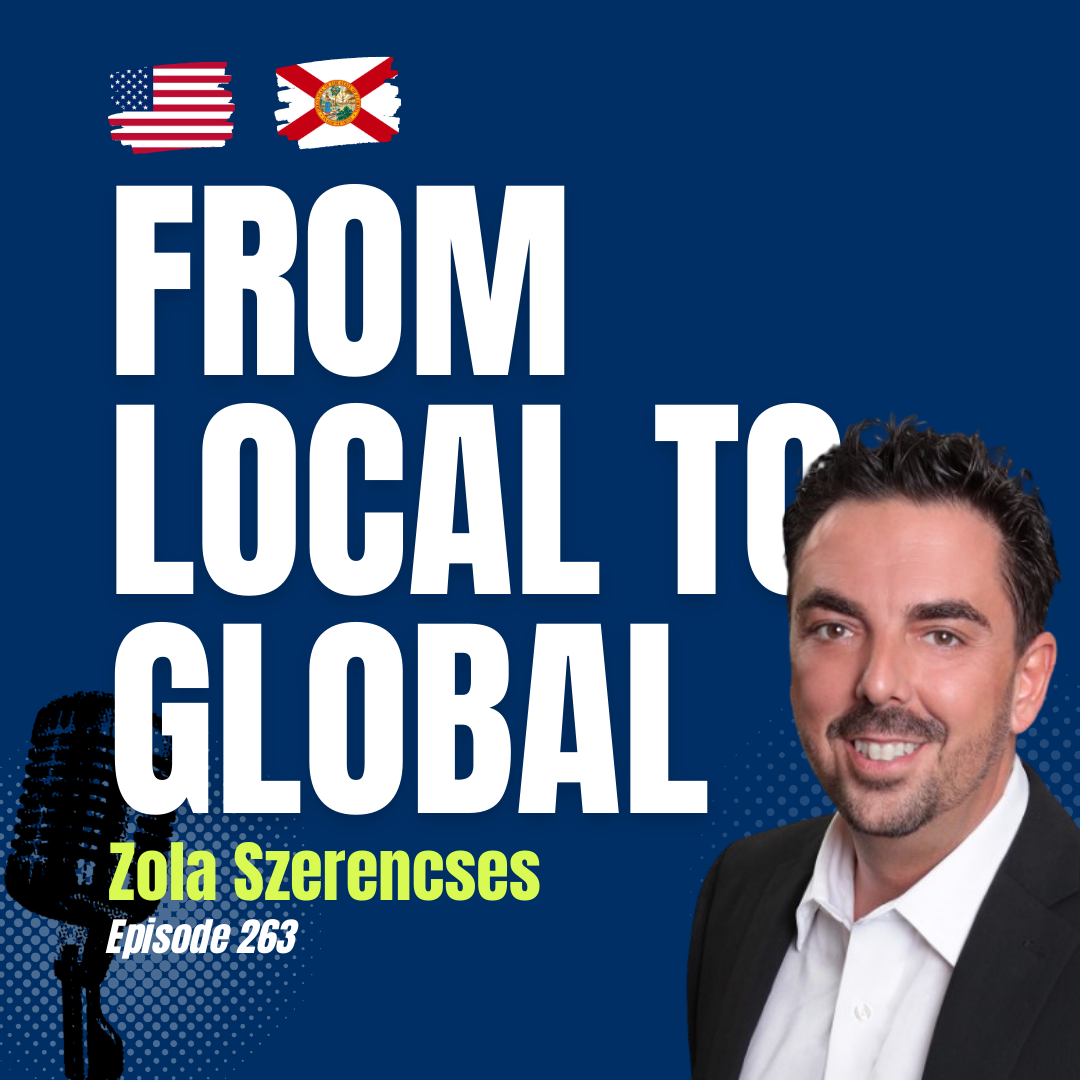
To succeed in international real estate, you must first decide who you want to be in the eyes of your client. Zola Szerencses, a strategic advisor with over two decades of experience, emphasises that agents should stop viewing themselves as mere salespeople. Instead, they should aim to become trusted real estate advisors who prioritise the client's best interests above all else.
Many agents feel at the mercy of their clients, rushing to show properties at a moment's notice. However, a professional advisor conducts a counseling session first, ensuring they understand the "why" behind a buyer’s or seller’s motivations. This approach not only builds immediate trust but also positions the agent as an expert worthy of a professional service fee rather than just a "commission".
Strategies for Massive Brokerage Growth
Scaling a real estate business requires more than just distributing flyers. When Zola built an office of 155 agents in just two years, his "trick" was solving problems for smaller brokerages. By acquiring smaller firms and allowing them to keep their brand identity as teams within a larger umbrella, he provided the structure and training they lacked.
For agents looking to grow, the unique value proposition often comes down to training and dedicated attention. Providing a roadmap from A to Z for every transaction ensures that even as you get busier, the quality of service never drops.
Finding Your Niche: The Second Home Market
Zola’s own journey into global real estate transactions began in Orlando, Florida. Recognising that he was an immigrant himself, he leveraged his background to specialise in the second home market. He didn't try to be "everything to everyone," which he notes is a common mistake that rarely works.
His strategy was remarkably data-driven for the time:
- Identify the Market: Using public records like iMap, he looked for property owners whose mailing addresses were different from their physical property addresses.
- Target Equity: He specifically reached out to people who had owned their properties for five or more years, as they were likely to have realised significant equity.
- Mass Mailing: By sending professional, non-aggressive mailouts to these owners, he landed his first major international client—a seller from Hong Kong who eventually led to over 20 transactions through family referrals.
Confidence Through Clarity and Visualisation
A common hurdle for both new and experienced agents is a lack of confidence when entering the global property market. Zola argues that confidence comes from clarity. To project authority, an agent must have total clarity in three areas:
- Local Market Conditions: Knowing the inventory and economic factors in and out.
- The Product: Deep knowledge of the specific developments or property types you are selling.
- Transaction Steps: Understanding the process from A to Z so you can explain it clearly to a client.
Furthermore, visualisation is a key component of success. If an agent cannot see themselves successfully navigating the transaction, the client won't be able to see it either. Much like Thomas Edison envisioning the lightbulb, agents must manifest their professional future by mentally rehearsing the steps of a successful deal.
Essential Real Estate Training and Accreditations
To stand out in a crowded marketplace, earning industry-recognised designations is crucial. These certifications provide the credibility needed to reassure international clients who may be unfamiliar with local laws. Zola recommends four essential programmes for agents aiming for success in 2024 and beyond:
- ABR (Accredited Buyer’s Representative): To master the art of representing a buyer's best interests.
- SRS (Seller Representative Specialist): To excel on the listing side of the transaction.
- RENE (Real Estate Negotiation Expert): To sharpen negotiation skills for both buyers and sellers.
- PSA (Pricing Strategy Advisor): To provide accurate CMAs and pricing guidance in a shifting market.
For those looking to go global, the CIPS (Certified International Property Specialist) designation is the "gold standard". It provides the foundational knowledge to handle buyers and sellers from different continents and cultures.
Navigating International Transaction Roadblocks
Global deals often involve complexities that local transactions do not. To be a top-tier international practitioner, you must anticipate these roadblocks:
1. Taxation and Legal Issues
Taxation is a significant issue that can make or break a deal. While agents don't need to be tax attorneys, they must know the basics and have a team of professionals (like tax authorities) to refer clients to.
2. Currency and Money Transfers
Fluctuating exchange rates and transfer fees can cost clients thousands. Using specialised money transfer services like Moneycorp can save clients significant sums and ensure a smoother closing.
3. Immigration and Cultural Awareness
Understanding visa requirements and cultural communication styles is vital. For example, a "driver" style common in the US may not work with clients from South America or the Middle East. Identifying these nuances early prevents communication breakdowns.
Building a Brand Based on Trust
Ultimately, your brand is your reputation. In a world where buyers have unlimited information at their fingertips, they don't need an agent to find a house; they need an advisor to help them make a better decision. By communicating your credentials via social media and, more importantly, through your professional conduct, you become a magnet for referrals.
As Zola Szerencses proves, transitioning from a local agent to a global real estate leader is a journey of continuous education and self-development. By mastering your local market and expanding your cultural and professional horizons, you can unlock the massive potential of the international property sector.
Want to learn more? You can connect with Zola Szerencses on LinkedIn, Instagram, or Facebook to follow his latest insights on brokerage leadership and global real estate training.