
Assets Over Labor: Navigating the Future of European Housing Policy and Investment
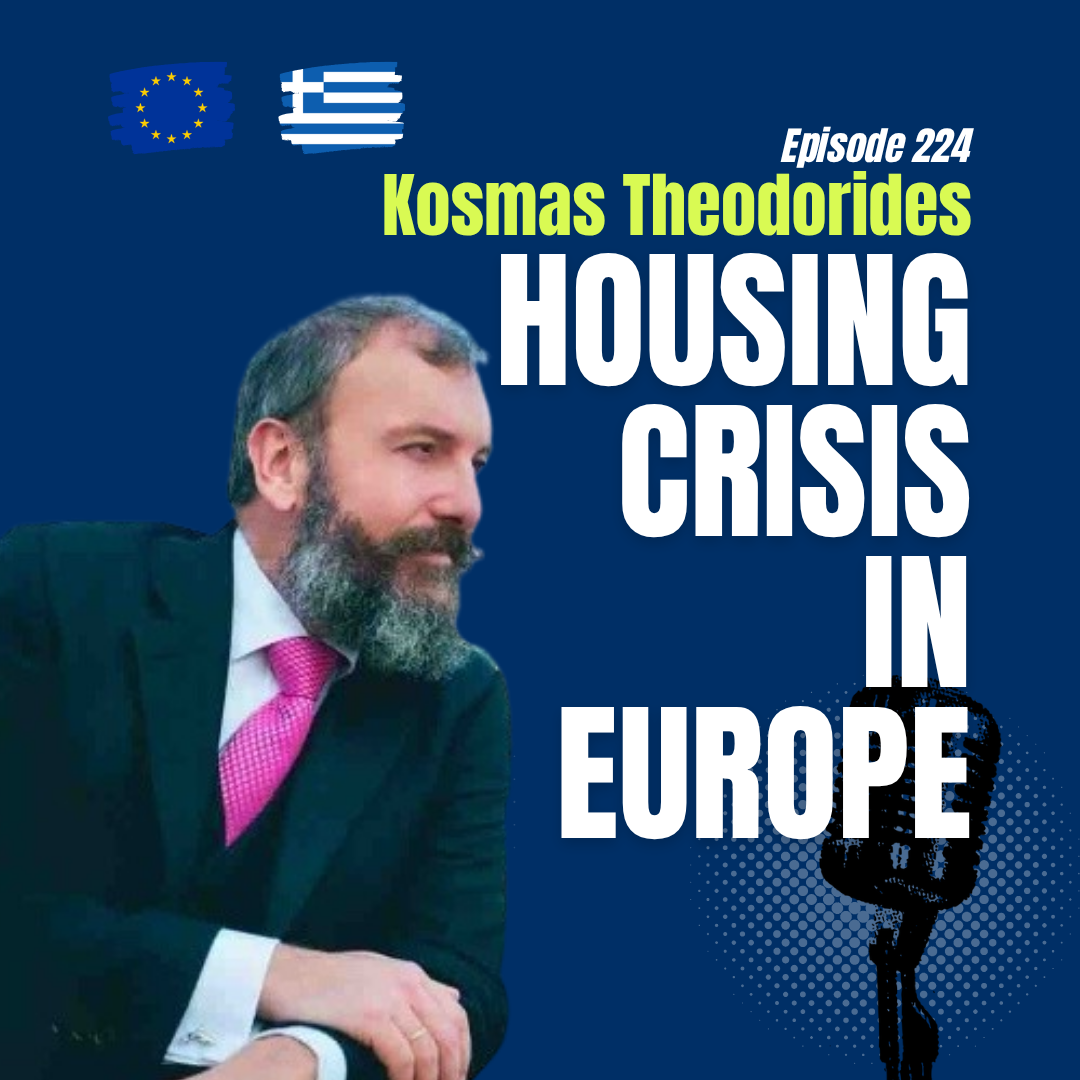
For the modern real estate professional, the ground is shifting. We are moving away from an era where labor and salary were the primary drivers of wealth into a new, complex "asset economy." Understanding these macroeconomic shifts is no longer optional—it is the difference between stagnation and exponential growth. Whether you are browsing a real estate directory for your next acquisition or advising clients on long-term stability, the insights from leading voices like Kosmas Theodorides, President of the Confederation of European Real Estate Association (CERA), are essential.
Table of Contents
- The Great Macro Shift: Why Assets are Outpacing Labor
- Inflation, Money Printing, and the Illusion of Value
- The 'Astiphilia' Phenomenon: Urban vs. Peripheral Real Estate
- The New European Housing Policy: From Neglect to Priority
- Strategic Networking: Leveraging a Global Real Estate Directory
- The Battle for Ownership: Corporate Giants vs. Private Landlords
- The Demographic Crisis and Real Estate as Social Security
- Conclusion: The Imperative of the Asset Side
The Great Macro Shift: Why Assets are Outpacing Labor
The fundamental nature of the global economy has undergone a radical transformation over the last several decades. In the post-war era of the 1950s and 60s, labor was highly priced; a single salary was often sufficient to purchase a home and sustain a middle-class lifestyle. Today, we are witnessing a stark divergence where assets appreciate at a significantly higher rate than wages.
In markets like Athens, for example, asset values have seen growth rates of approximately 10%, while salaries only climb by 3% or 4%. This "asset economy" creates a barrier for those who rely solely on their labor to build wealth. For investors and brokers listed in a residential real estate directory, this trend highlights a critical reality: real estate is not just a commodity, but the primary vehicle for wealth preservation in the 21st century.
Inflation, Money Printing, and the Illusion of Value
One of the most profound drivers of current market conditions is the unprecedented volume of currency circulating globally. Since the 2008 financial crisis and the subsequent COVID-19 pandemic, central banks have engaged in massive money printing exercises. As Kosmas Theodorides points out, sooner or later, this printed money invariably finds its way into real estate.
To understand the true value of property, one must look past nominal prices in Euros or Dollars. Theodorides illustrates this with a compelling example: a flat purchased for €50,000 in 2005 might be worth €150,000 today in nominal terms, but when measured against "hard" assets like golden sovereigns, the value has actually decreased. For those utilizing a luxury real estate directory to scout high-end assets, this underscores the importance of viewing real estate as a hedge against the ongoing devaluation of fiat currency.
The Ghost of the Gold Standard
The abandonment of the gold standard was a watershed moment that allowed for more flexible economic management, reducing the frequency of market crashes. However, the side effect is a "bubble of everything," where assets are priced at historic highs because the market cannot easily correct itself without further money printing.
The 'Astiphilia' Phenomenon: Urban vs. Peripheral Real Estate
Investors often wonder why housing shortages persist despite a seemingly large number of units nationwide. The answer lies in "astiphilia"—the inordinate love for big cities. While many housing units exist on the periphery of countries, the concentration of jobs, economic activity, and modern perks in urban centers leads to a massive supply-demand imbalance.
For brokers managing a commercial real estate directory, this urban concentration is a double-edged sword. It drives up prices and transaction stability in cities like Athens—where increases recently stabilized at around 7.5%—but it also leads to dangerously low inventory.
The New European Housing Policy: From Neglect to Priority
For years, housing was considered outside the legal competence of the European Union. However, within just three years, the narrative has shifted dramatically. Housing is now a top-tier item on the EU agenda, following closely behind defense and sustainability.
As the Vice President of CEPI, Theodorides has been a leading voice in this shift, advocating for the "European Home Ownership Day" to encourage young people to enter the property market. This policy evolution is critical for global investors to monitor, as new EU regulations regarding energy consumption and social housing will directly impact property values and investment viability across the continent.
Strategic Networking: Leveraging a Global Real Estate Directory
In a globalized world, the ability to connect with verified professionals is paramount. A high-quality real estate directory serves as the backbone of international transactions. Investors moving capital from high-tax jurisdictions like France to incentive-rich markets like Greece depend on these directories to find reliable local brokers.
For a real estate agent, being listed in a global real estate directory is no longer just about visibility; it is about establishing a presence in a "borderless" asset market where expat buyers and digital nomads are increasingly influential.
The Battle for Ownership: Corporate Giants vs. Private Landlords
A contentious topic in the current discourse is the "corporatization" of housing. Theodorides expresses concern over a future where 50% of the housing stock is owned by large multinationals. Unlike private individuals, large corporations have the resources to legally avoid taxes and can create a monopoly that squeezes out the middle class.
The preferred model, particularly in the European context, is the "small and medium stakeholder" model. This maintains a healthier democratic society by ensuring that the benefits of asset appreciation are distributed among many rather than concentrated in the hands of a few.
The Demographic Crisis and Real Estate as Social Security
The West is facing a demographic collapse, with birth rates falling as young people find it increasingly difficult to finance families. In this context, real estate ownership is more than just an investment; it is a vital form of social security. As traditional pension systems—often described as "pyramids within a political wrapping"—become less reliable due to a shrinking workforce, owning a home becomes the ultimate safeguard for one's retirement.
Theodorides proposes innovative solutions, such as state-backed down payments of €20,000 for young couples, which could be converted into gifts upon the birth of their second or third child. Such measures aim to recreate a "home-owning middle class" that has a vested interest in democracy.
Conclusion: The Imperative of the Asset Side
The message for today’s real estate professional and investor is clear: the future belongs to those on the "asset side" of the economy. Relying solely on labor and salary is a path toward financial squeeze as asset appreciation continues to outpace wage growth. By staying informed through a real estate directory and engaging with the evolving European policy landscape, investors can navigate these "cycles of 18 years" and build lasting wealth.
As history shows—from the Bronze Age palaces to modern Brussels—the control and distribution of assets have always dictated the stability of a society. Today, your role as a broker or investor is to facilitate that access to assets, ensuring a stable future for the next generation.
Watch the Full Insightful Discussion:

For professional inquiries and to learn more about the work of CEPI, you can contact Kosmas Theodorides here.

 HalloCasa: “Good evening Jonathan. Thank you very much for taking your time and talk with HalloCasa about the Colombian real estate market. Before digging into the topic itself, could you quickly introduce yourself and give us an overview of your background?”

 partner of