Strategic Real Estate Development in Vienna: A Deep Dive for Global Investors and Brokers
For the savvy professional navigating the global real estate directory, finding a market that combines historical stability with modern innovation is the ultimate goal. Vienna, often referred to as the heart of "good old Europe," is currently presenting a unique window of opportunity for those who know where to look. While much of the world grapples with fluctuating markets, the Austrian capital offers a masterclass in resilience, strategic development, and high-yield niche sectors like education real estate.
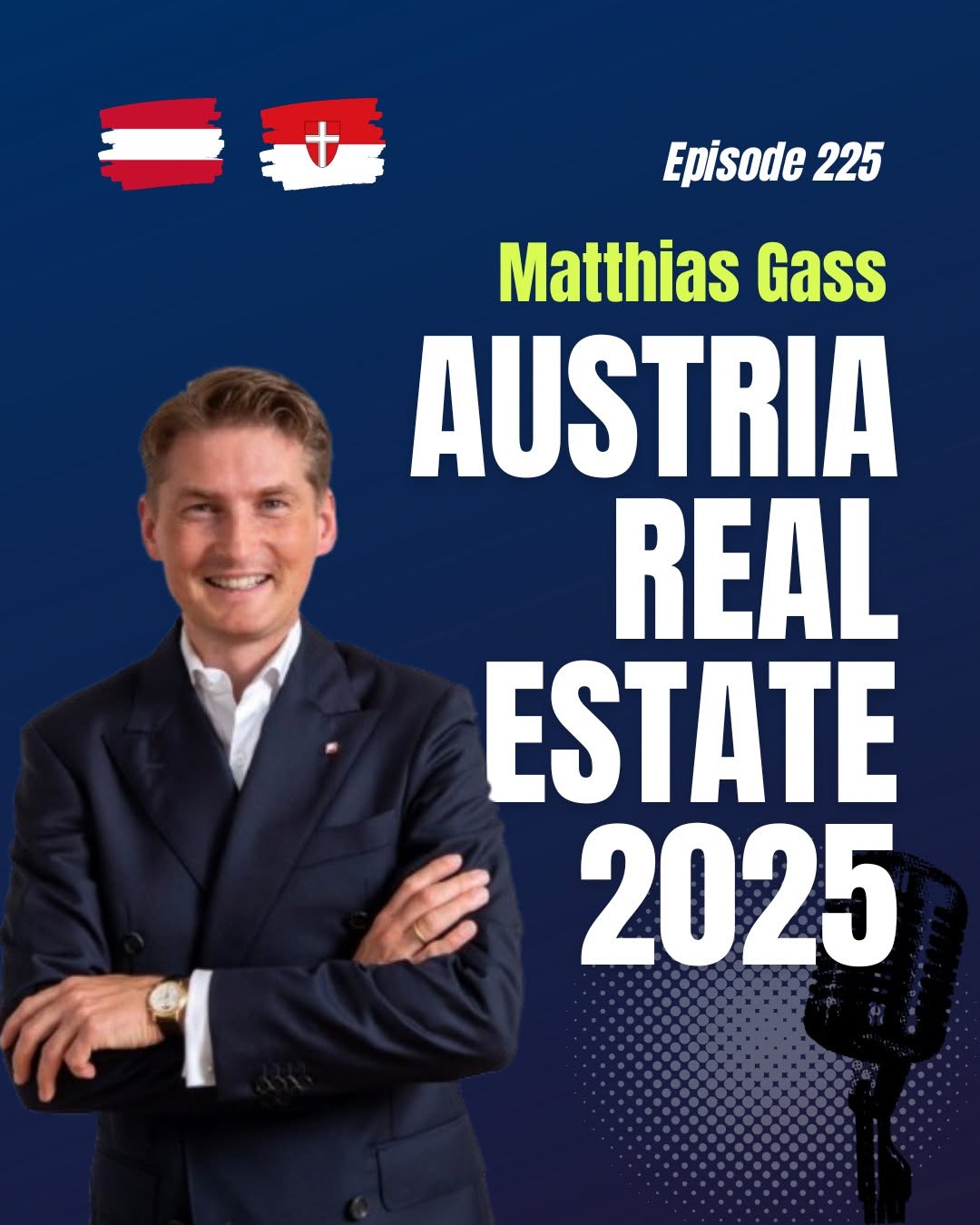
In this comprehensive guide, we analyze the insights of Dr. Matthias Gass, CEO of Gass Real Estate and President of FIABCI Austria, to uncover the secrets of the Vienna market. Whether you are a seasoned real estate investor or a broker looking to expand your commercial real estate directory, understanding the strategic nuances of this monocentric city is essential for long-term wealth building.
Table of Contents
- The Evolution of the Vienna Market: Lessons from Two Decades
- Geopolitics and Energy: Understanding the Austrian Context
- Navigating Vienna’s Monocentric Urban Landscape
- Education Real Estate: The Ultimate Investment Niche
- The Investor’s Perspective: Yields, ESG, and Tenant Law
- Networking and the FIABCI World Real Estate Congress 2026
- Conclusion: Why Vienna Belongs in Your Real Estate Directory
The Evolution of the Vienna Market: Lessons from Two Decades
Success in any real estate directory for investors requires a historical perspective. Dr. Matthias Gass highlights that the Vienna market has undergone several distinct phases over the last 20 years. In the early 2000s, high interest rates of 4% to 5% were the norm, yet the market remained optimistic as capital flowed from the "dotcom bubble" into stable brick-and-mortar assets.
Following the 2008 financial crisis, which briefly froze transactions in Austria, the market entered a "bullish" phase from 2010 to 2021. This era was characterized by constantly increasing prices, dropping yields, and a surge of new developers and first-time buyers. However, the landscape shifted dramatically in 2021 due to the COVID-19 pandemic and subsequent geopolitical instability.
Currently, the market is in a stage of "Renault recession," with prices in some locations dropping between 20% and 50%. For the forward-thinking investor found in a top-tier real estate directory, this represents a "Warren Buffett moment"—a chance to buy high-quality assets at a significant discount while the intrinsic value remains unchanged.
Geopolitics and Energy: Understanding the Austrian Context
Brokers listing Austrian properties in an international real estate directory must understand the unique geopolitical factors at play. Austria’s proximity and historical economic ties to Russia and Ukraine have created specific challenges. Previously, a major advantage for the Austrian economy was cheap energy secured through long-term contracts with Russia.
As the nation moves toward energy independence, costs for transport, heating, and construction have risen, impacting real estate developers and consumers alike. Furthermore, Vienna serves as a strategic gas hub for Europe, a business model that has faced sudden disruption. While this has contributed to market pessimism, it also filters out less resilient players, leaving the field open for equity-strong investors who can navigate these "geopolitical hubs".
Navigating Vienna’s Monocentric Urban Landscape
Vienna is a monocentric city, meaning it grows in concentric circles around a historic center. Any Vienna real estate directory will categorize these areas by their district numbers, each offering different risk profiles and opportunities:
The First District: The Imperial Core
The First District was the residence of the Emperor and remains the seat of government, major banks, and prestigious institutions. Surrounded by the "Ring Street," this area features historic buildings designed in various styles—Gothic for the City Hall, Ancient Greek for the Parliament, and Renaissance for the University. These assets are considered the most stable in the city, where prices remain remarkably resilient.
Districts 2 to 9: The Inner Circles
Surrounded by the "Gürtel" (belt), these districts represent the "old Vienna" lifestyle. They offer high-quality residential apartments, excellent public transport, and a traditional European urban experience. For asset managers, these districts provide "rooftop potential"—the ability to develop new apartments on top of historic structures—and restoration opportunities for older units.
Districts 10 to 23: The Expansion Areas
Beyond the belt lies the third wave of city expansion. These districts are the most important areas for new construction and large-scale projects, making them a primary focus for those looking for modern developments in their commercial real estate directory.
Education Real Estate: The Ultimate Investment Niche
One of the most exciting revelations for investors is the emergence of education real estate as a high-growth sector. As Western societies prioritize education to remain competitive, the demand for modern school infrastructure has skyrocketed.
Dr. Gass identifies several key drivers for this niche:
- Structural Changes: The shift toward full-day care schools requires a completely different real estate setup compared to traditional half-day schools.
- Private School Growth: A perceived weakness in the public system has led to a strong trend of students moving to private institutions, creating a demand for new, specialized buildings.
- Complex Project Management: Developing a school is a mid-complex task that involves translating "pedagogical concepts into architectural requirements".
Gass Real Estate operates as a "single point of contact" for all stakeholders, from school authorities to architects and investors, ensuring that innovation—such as avoiding the pitfalls of "notebook classrooms"—is integrated into the building's DNA.
The Investor’s Perspective: Yields, ESG, and Tenant Law
When searching a global real estate directory, investors often look for "safe havens." Austria is precisely that, though it requires specialized local knowledge to navigate.
Sustainable Yields and Low Risk
New education real estate projects in Austria currently offer expected yields of 4% to 6%. These are considered low-risk investments because, even if a private school faces financial trouble, the public sector is highly likely to step in to maintain the infrastructure. Furthermore, investing in schools is a "positive ESG topic," which can significantly boost an investor’s portfolio rating.
The Challenge of Tenant Protection
International investors are sometimes deterred by Austria’s strict tenant protection laws. However, Dr. Gass argues that this transparency and protection actually serve as an asset for "sustainable income," ensuring that rental income does not drop drastically during downturns. By using an international real estate directory to find expert consultants like Gass Real Estate, investors can unlock value that remains hidden to those without local insight.
Networking and the FIABCI World Real Estate Congress 2026
Being part of a global real estate directory is about more than just data; it is about connections. Vienna will host the FIABCI World Real Estate Congress in June 2026. This event will gather over a thousand experts from around the world to discuss innovation and cultural insights in the heart of Europe. It is a premier opportunity for real estate brokers to network and discover new projects firsthand.
Conclusion: Why Vienna Belongs in Your Real Estate Directory
Vienna is a city of "old wealth" and architectural splendor, but it is also a hub of digitalization and strategic innovation. While the current market struggles present challenges, they also offer "once-in-a-lifetime opportunities" to acquire top-tier assets that may not be available again for decades.
For any professional managing a real estate directory, Dr. Matthias Gass and his team represent the ideal partners to navigate this landscape. From education campuses to high-end residential restoration, the future of Vienna real estate is being built today through proactive strategy and deep market expertise.
Watch the Full Interview with Dr. Matthias Gass

Contact Information
To learn more about strategic investments in Vienna or to consult with Dr. Matthias Gass, visit his official website: Dr. Matthias Gass - Gass Real Estate