Sacred Spaces and Global Stakes: Navigating the Future of Adaptive Reuse and International Investment
In the rapidly evolving landscape of 2026, the real estate industry is no longer just about buying and selling plots of land. It is about vision, legacy, and the creative transformation of existing assets to meet the needs of a changing society. For real estate agents and investors looking to stay ahead of the curve, the intersection of community impact and commercial viability has never been more critical.
From the bustling streets of Atlanta, Georgia—a city that has tripled in population since the 1996 Olympics and is projected to double again by 2049—to the high-rise luxury of Dubai and the scenic developments of Mexico, the opportunities are vast. However, success in this new era requires more than just local knowledge; it requires a global real estate network that connects local expertise with international capital.
Table of Contents
- The Power of Adaptive Reuse: Transforming Churches and Hotels
- Leveraging a Global Real Estate Network for International Success
- Atlanta: A Case Study in Urban Sprawl and Revitalization
- The Human Element: Relationships over Transactions
- Navigating Regulation: Zoning, Codes, and Stakeholders
- Future Trends: Technology, AI, and the Shift to Boutique Services
- Conclusion: Building Generational Wealth Through Innovation
The Power of Adaptive Reuse: Transforming Churches and Hotels
One of the most compelling trends for modern real estate agents is adaptive reuse. This involves taking underutilized or aging structures—such as historic churches, legacy commercial buildings, and outdated hotels—and transforming them into high-performing multifamily, hospitality, or mixed-use projects.
In the "Bible Belt" of the United States, churches represent a unique and often overlooked asset class. Many of these grand cathedrals now face declining congregations, leaving them with "the space, but not the mass or the money" to maintain their properties. For an investor, these sites offer incredible potential for survival solutions that breathe new life into the community while generating profit.
Why Hotels are a Key Target
Beyond religious spaces, hotel reuse is another area of high growth. Repositioning an aging hotel into luxury apartments or a specialized boutique experience can yield a high return on investment (ROI). This process requires a deep understanding of market needs; for instance, identifying a community that lacks a high-caliber hotel within a 10-mile radius can turn a standard listing into a high-demand development.
Leveraging a Global Real Estate Network for International Success
To truly maximize potential in 2026, agents must look beyond their local borders. Utilizing a global real estate network is the key to connecting US-based investors with thriving markets in places like Dubai and Mexico.
While some investors may harbor hesitations due to cultural unfamiliarity or "Islamophobia," education is the ultimate tool for breaking these barriers. A robust global real estate network provides the necessary vetting and "boots on the ground" to ensure international transactions are safe and long-lasting. Working with exclusive agencies like Christie’s International in Mexico allows agents to offer their clients luxury residential and investment opportunities with a high degree of integrity.
Best Practices for International Brokerage
When operating within a global real estate network, the focus should always be on finding the "right fit" for the client rather than just chasing a commission. This involves:
- Vetting Partners: Ensuring your international counterparts value relationships as much as you do.
- Personalized Consulting: Matching a client’s specific temperament and needs with the right broker.
- Site Visits: Being a "living testimony" by visiting international sites personally.
Atlanta: A Case Study in Urban Sprawl and Revitalization
Atlanta serves as a primary example of how rapid growth dictates real estate strategy. The city is experiencing a radical shift where former pasture lands are becoming urban sprawl, and old warehouses are being converted into luxury commercial apartments.
Gentrification and "suburban flight" in reverse are driving people back into the city seeking better commutes and walkable, mixed-use developments. Real estate agents who understand these shifting demographics can position themselves as "ambassadors" for the community, attracting international money to local projects that have a positive social impact.
The Human Element: Relationships over Transactions
Despite the rise of digital tools, real estate remains a relationship-based industry. Successful advisors emphasize servant leadership and the preservation of "institutional memory". When a historic building is demolished or repurposed, it isn't just a business transaction; it is the alteration of a community's heritage.
Investors who understand this relational aspect are often more successful because they gain community "buy-in". Whether it’s creating a "memory wall" to honor a site's history or ensuring a church can remain in its neighborhood after a sale, collaboration is the new gold standard.
Navigating Regulation: Zoning, Codes, and Stakeholders
Adaptive reuse is not without its hurdles. Agents must be experts in navigating business codes and zoning regulations. For example, certain codes may prohibit a new hotel within a specific radius of another, necessitating a pivot to mixed-use housing or food services.
When dealing with religious properties, there is the added layer of denominational restrictions. In some cases, the local congregation does not own the property; instead, a higher ecclesiastical body makes the final decision on usage or sale. Understanding these power dynamics is essential for any agent facilitating these complex deals.
Future Trends: Technology, AI, and the Shift to Boutique Services
The real estate market of the future is being shaped by minimization and technology. As AI and remote work reduce the need for massive office spaces, the industry is seeing a trend toward downsizing and the creative reuse of leftover commercial space.
Virtual Reality and the Metaverse
The "experiential" side of real estate is shifting toward Virtual Reality (VR) and the Metaverse. Potential buyers can now take interactive tours that are "pretty close" to a face-to-face meeting, and many luxury apartments are moving toward entirely keyless, code-based entry systems.
The Rise of Boutique Brokerages
As the market becomes more complex, there is a clear trend toward specialized, boutique services. Clients are looking for high levels of personalization—much like "micro-schools" or personalized nutrition—where the agent acts as a consultant tailored to their specific lifestyle and legacy goals.
Conclusion: Building Generational Wealth Through Innovation
Real estate remains the "best investment we can make" for building generational wealth and sustainability. By embracing the power of a global real estate network and focusing on the creative potential of adaptive reuse, agents can provide survival solutions for aging assets while securing a prosperous future for their clients.
The industry is changing with or without us. The question is: will you be a leader in this transformation, or will you be left behind? By focusing on integrity, education, and community impact, you can redefine what it means to be a real estate professional in 2026 and beyond.
About the Expert
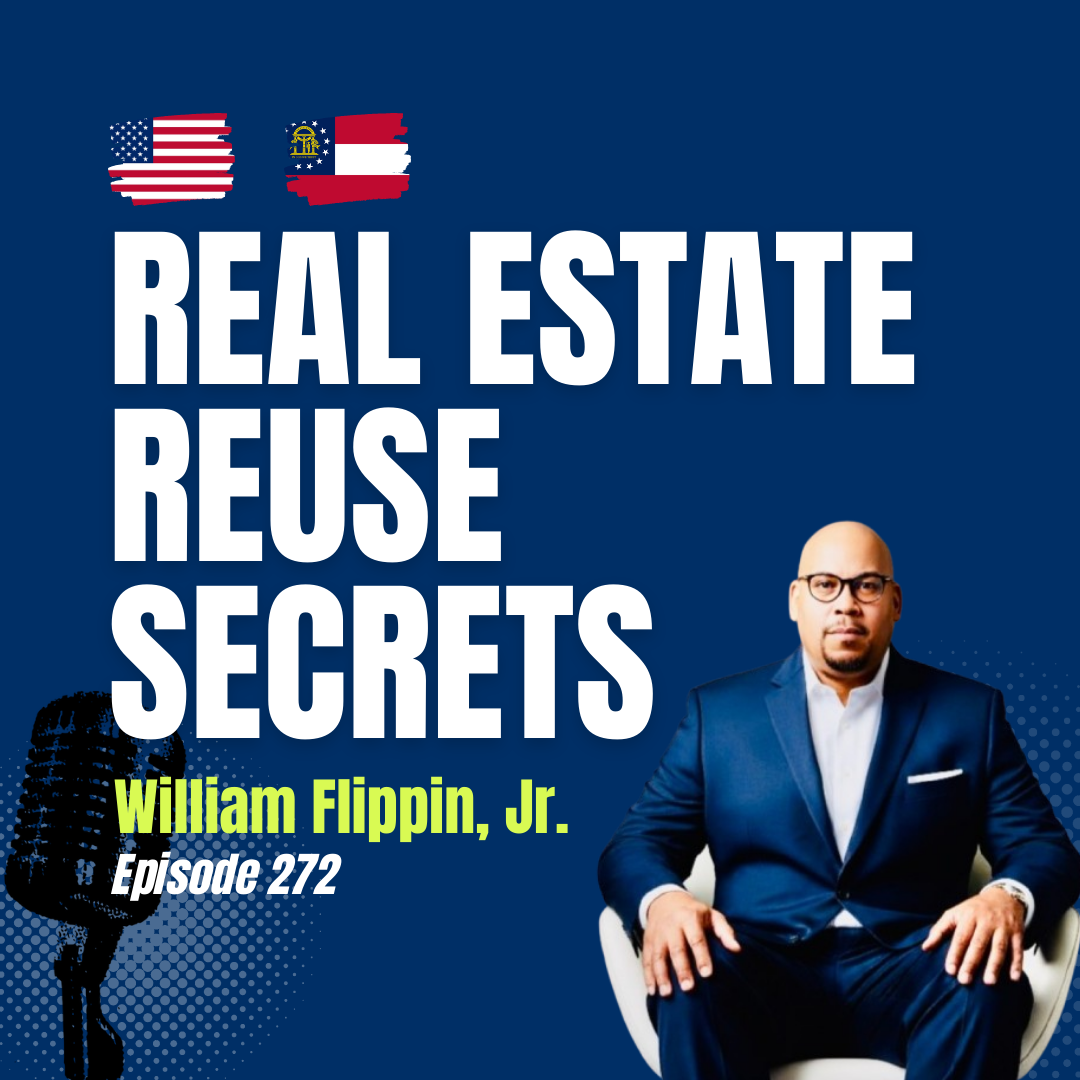
Information in this article is based on the insights of William Flippin Jr., a commercial real estate advisor with eXp Commercial specializing in adaptive reuse and international investment. His work at the intersection of capital strategy and community impact serves as a blueprint for the modern real estate professional.