The Future of Real Estate: Leveraging a Global Real Estate Network and the Latino Economic Powerhouse
In an increasingly interconnected world, the traditional boundaries of real estate are dissolving. Real estate agents today are no longer just local experts; they are becoming vital nodes in a global real estate network that spans continents, cultures, and currencies. To stay ahead, professionals must understand the massive demographic shifts and economic trends driving this evolution.
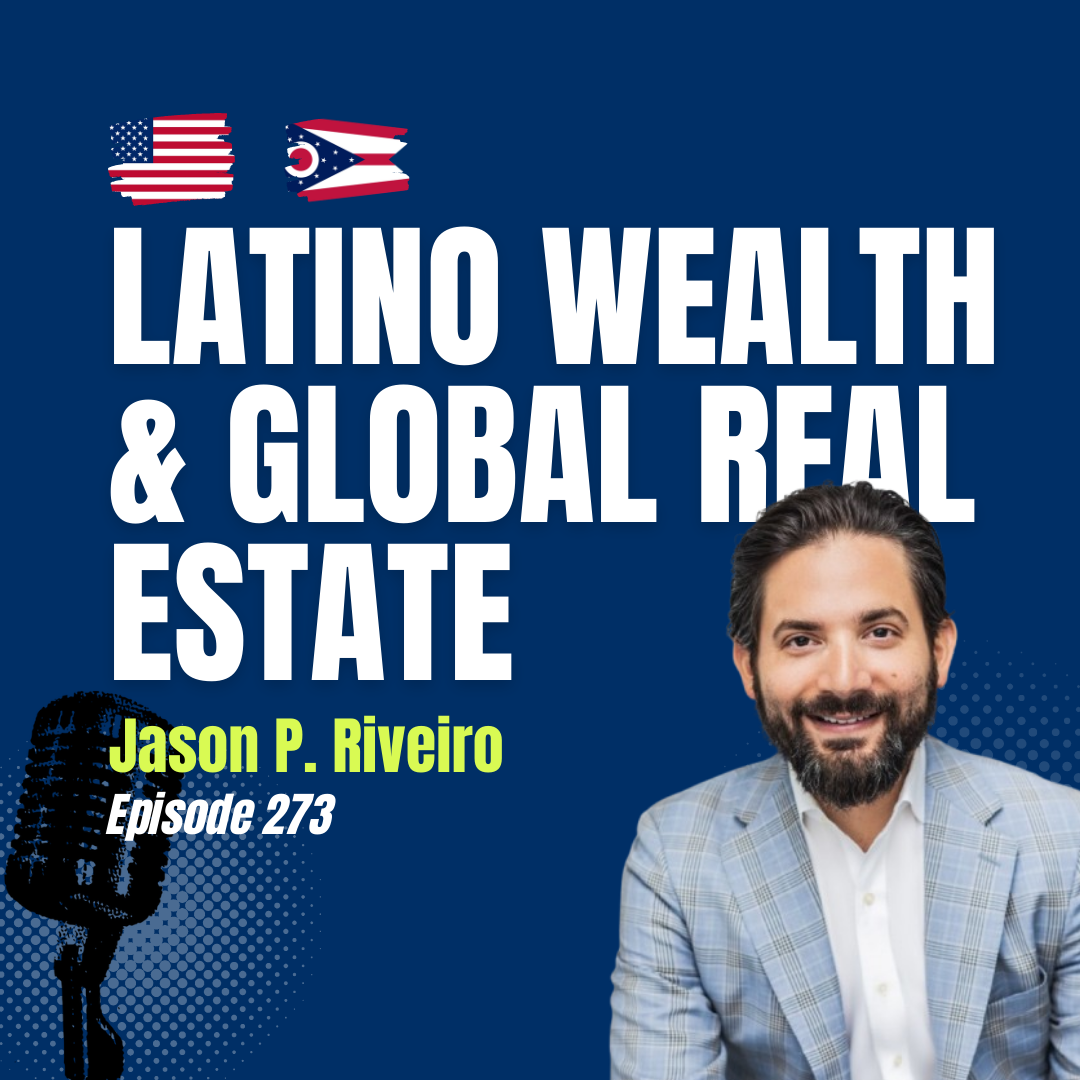
Drawing from the insights of Jason Riveiro—a renowned international real estate strategist and executive advisor—this article explores how agents can tap into the immense power of the Latino market and master cross-border connectivity to build lasting wealth.
Table of Contents
- The Latino Economic Engine: A Formidable Global Force
- Beyond Transactions: The Mission for Sustainable Wealth
- Mastering Cross-Border Opportunities: The Iberian Connection
- Cultural Competency: Unlocking Your Global Real Estate Network
- Systems for Success: Referral Pro Group and Digital Conversion
- AI and the Future of International Real Estate Standards
- Conclusion: Positioning Yourself for the Next Decade
The Latino Economic Engine: A Formidable Global Force
One of the most significant trends in modern real estate is the "emancipation" and rising confidence of the Latino community in North America. This isn't just a social shift; it is a massive economic phenomenon. If the Latino population in the United States were its own country, it would be one of the most formidable nations in the world in terms of GDP.
This community has moved past the stage of merely "surviving" or starting out. Today, Latino investors and homeowners are in a mature phase of accumulating and building wealth. Real estate has become the primary tangible asset that Latinos aspire to, serving as a vehicle for generational prosperity. As an agent, understanding that the United States is stronger because of this market is the first step toward aligning your business with the future.
The Shift from Transaction to Power
The Latino market is no longer a niche; it is a driving force that supports its own entrepreneurs and investment opportunities. This maturity allows the community to rise above geopolitical stereotypes and exert influence through sheer economic power and buying capacity. By positioning yourself within a global real estate network that respects and understands this power, you open doors to a client base that is loyal, growing, and increasingly wealthy.
Beyond Transactions: The Mission for Sustainable Wealth
For real estate agents, it is easy to get caught in the "hamster wheel" of the next closing. However, the most successful professionals—especially those involved with organizations like NAHREP (National Association of Hispanic Real Estate Professionals)—are shifting their focus from volume to sustainable wealth building.
The vision set forth by leaders like Gary Acosta was bold: to create a hundred millionaires within the organization. This wasn't just about selling more houses; it was about teaching professionals how to invest in the right things, manage their own businesses effectively, and leave a legacy for their families.
The "Millionaire" Mindset for Agents
Many agents are exceptional at sales but struggle with the "business" of real estate. To thrive in a global real estate network, you must think holistically. This means moving beyond the transaction and considering your own net worth. Today, a significant portion of NAHREP members have a net worth exceeding one million dollars because they embraced consistent education and long-term financial thinking.
Mastering Cross-Border Opportunities: The Iberian Connection
The post-pandemic world has fundamentally changed how we view "home." COVID-19 triggered an existential reflection on quality of life versus standard of living. With the rise of remote work, people are no longer tethered to a specific office, leading to a surge in cross-border real estate activity.
The "Iberian connection"—the link between Spanish-speaking businesses in Europe (Spain), North America, and South America—has become increasingly "sticky". We are seeing a critical mass of individuals, particularly those of Latino heritage, looking to purchase property in their native countries or explore new investment frontiers in Mexico, Colombia, and the Caribbean.
Why Mexico Remains a Top Destination
Despite nagging security concerns that the government continues to address, Mexico holds a massive share of the international market. Property values in many regions have seen double-digit increases over the past decade, attracting significant foreign investment. Furthermore, destinations like Panama, Costa Rica, the Dominican Republic, and even El Salvador are becoming trendy for those seeking both investment returns and a specific "lifestyle".
Cultural Competency: Unlocking Your Global Real Estate Network
In a global real estate network, bilingualism is an asset, but cultural competency is the true currency. While not every agent needs to speak Spanish to serve the Hispanic market, they must understand the unique cultural dynamics and financing implications that influence the buying process.
Traditional "silos" are being broken down. In elite networks, competitors from different brokerages and lenders set aside their rivalries to focus on relationships and trust. This culture of referral and mutual support is what allows a global real estate network to function effectively across borders.
The Power of the Bilingual Multiplier
Bilingual agents have a distinct "multiplier" advantage. They have direct access to markets in Mexico, Puerto Rico, and beyond, which the average English-only professional cannot easily navigate. This cross-border capability allows agents to serve clients who want to buy seasonally, for retirement, or as a strategic investment abroad.
Systems for Success: Referral Pro Group and Digital Conversion
As the industry consolidates, the gap between "traditional" agents and "top producers" is widening. Top producers are those who have mastered the ability to manage leads and referrals through sophisticated digital sources.
The Referral Pro Group was launched to bridge this gap, providing a space for agents who can handle high-volume digital leads while maintaining exceptional customer service. In a world where many digital leads go unanswered, the ability to convert at a high percentage is a prerequisite for success.
To be a robust agent in a global real estate network, you must be proficient in multiple lead sources:
- Word of Mouth: Still a powerhouse, especially in the Latino community where referrals are a way of life.
- Digital Portals: Mastering the "scorecard" of conversion metrics to keep institutional accounts.
- Cross-Border Referrals: Establishing trustworthy partners in other countries to ensure a flawless experience for the buyer.
AI and the Future of International Real Estate Standards
The next 18 months will likely see an acceleration of artificial intelligence in real estate, aimed at removing the "friction" that currently plagues international transactions. In countries like Mexico, where regulatory barriers can be high, AI has the potential to help these markets "leapfrog" traditional systems.
However, this technological shift brings challenges. We are entering an era of "AI wars," where the speed of change could outpace the ability of governments to protect consumers. Jason Riveiro suggests that the only way forward is for the human race to come together under a universal code or set of standards that transcends political borders.
The Consolidation of the Industry
The days of being "just" a brokerage or "just" a lender are ending. We are seeing massive consolidation, where major players integrate title, lending, and listing portals into a single ecosystem. For boutique organizations to survive, they must leverage economies of scale and participate in a wider global real estate network to remain competitive.
Conclusion: Positioning Yourself for the Next Decade
The landscape of real estate is shifting toward a model that prizes connectivity, cultural intelligence, and technological agility. By leaning into the power of the Latino market and participating in a robust global real estate network, agents can move beyond the grind of daily transactions and toward a future of true wealth building.
Whether you are looking to expand into international developments or simply want to better serve the "economic powerhouse" in your own backyard, the message is clear: Lean in, learn the tools, and bridge the markets. The opportunities for those who understand cross-border connectivity are virtually limitless.
Expert Tip: For those looking to dive deeper into international strategy and developer relations, reaching out to leaders like Jason Riveiro at Terra Bridge Advisory is a great place to start.

 This time, we interviewed Daniela Seco, real estate and financial consultant and costume designer in Chile, who will tell us about her wide trajectory and experience in real estate investment in the country and in general.
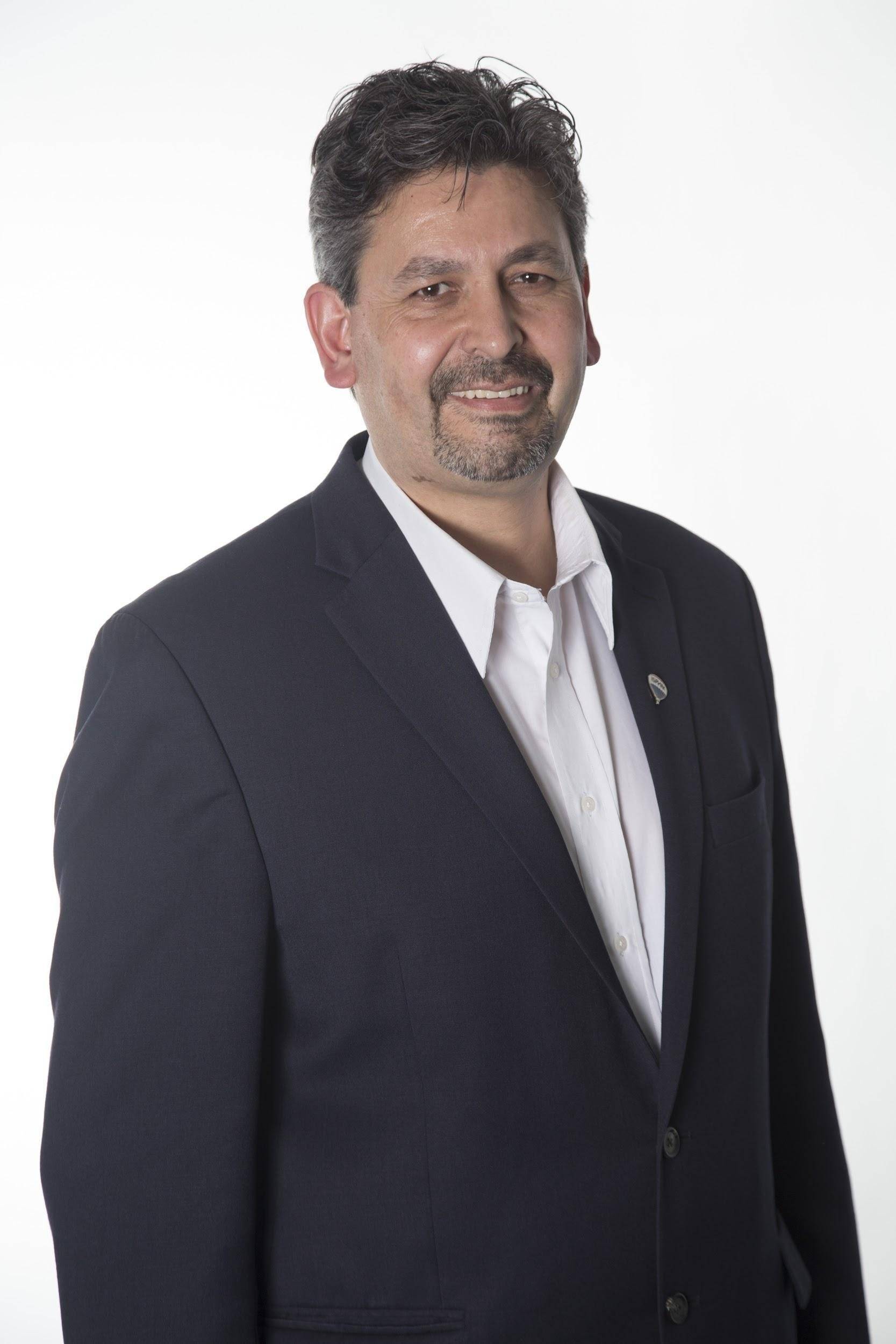
 This time, we interviewed Pablo Marcelo Ortiz, Senior Real Estate Agent at RemaxUno, who will tell us about the incidence of the emotional factor in real estate transactions.
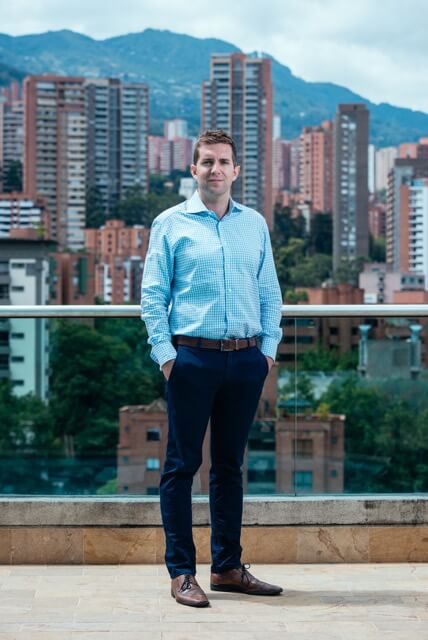
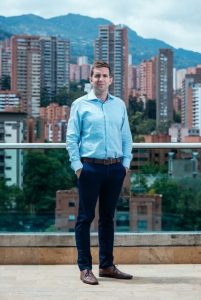 Today, we are pleased to present Brad Hinkelman, leading real estate broker in Medellin, who will talk a little bit about his journey to Colombia and his business.