Unlocking Global Markets: How an International Real Estate Network Transforms Local Agencies into Global Powerhouses
In the modern property market, the phrase "real estate is local" is undergoing a dramatic transformation. While the physical asset remains fixed in its neighborhood, the capital, interest, and professional collaboration surrounding it have become borderless. For the forward-thinking agent, participating in an international real estate network is no longer a luxury—it is a strategic necessity to remain competitive in a world where an investor in Miami can seamlessly discover a villa in Tuscany with the click of a button.
The evolution of technology, specifically the integration of MLS (Multiple Listing Service) systems across borders, is breaking down the traditional silos of the industry. We are seeing a shift where local expertise is being amplified by global standards, allowing agents to manage their entire business in one place while reaching qualified buyers from every corner of the globe. This article explores why joining an international real estate network is the ultimate ROI-booster for real estate professionals today.
Table of Contents
- The Evolution of Collaboration: From Local MLS to Global Data Exchange
- The "Common Language" of Real Estate: Why RESO and GDX Matter
- Breaking the "Solo Agent" Myth: The ROI of Sharing Listings
- The Modern Agent’s Tech Stack: CRM, AI, and Node Sovereignty
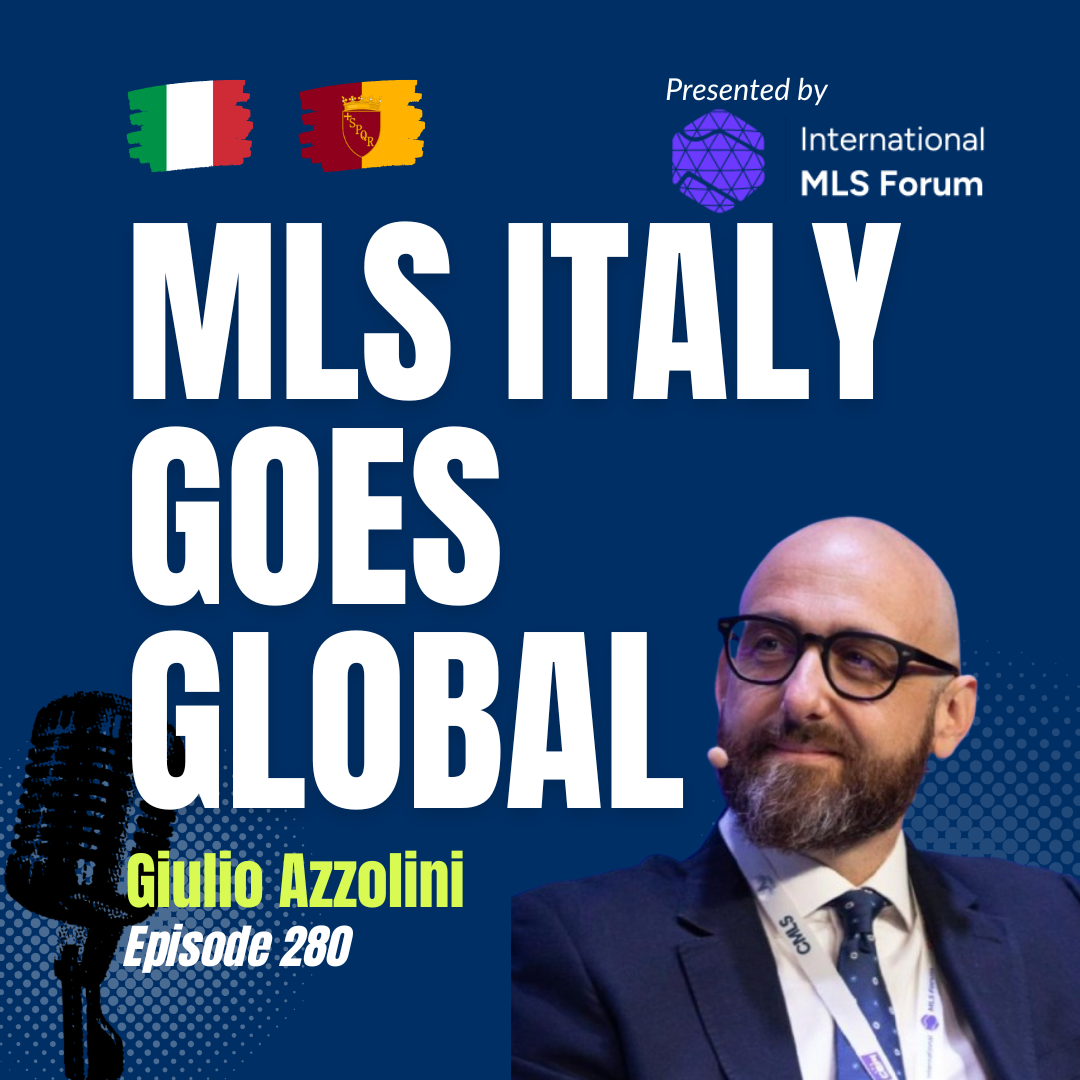
- Case Study: The Italian Renaissance in Global Real Estate Investment
- Overcoming the "Fear Factor": Language and Legal Barriers in Global Deals
- The Future of International Real Estate Collaboration
The Evolution of Collaboration: From Local MLS to Global Data Exchange
Historically, real estate agents have operated as independent islands, often viewing the sharing of listings as a risky move that could lead to a loss of control. However, the landscape is shifting. In markets like Italy, the traditional model of the agent as a "mediator" between parties is evolving into a more structured, collaborative professional framework. This change is driven by the realization that a closed market limits growth, while an international real estate network expands visibility and sales potential exponentially.
Platforms like Listing+ have pioneered this shift by adapting the American MLS model to fit complex European legal frameworks. By connecting thousands of agents into a single community, these platforms have proven that the value of sharing listings is immense, with tens of millions of euros in commission exchange happening through collaborative platforms every year. The next step in this evolution is the "federated network," where local nodes connect to a global infrastructure, such as the Global Data Exchange (GDX), allowing listings to enter a system that transcends national borders.
The "Common Language" of Real Estate: Why RESO and GDX Matter
The greatest barrier to an effective international real estate network has always been the lack of a standardized language. Different countries use different metrics, legal terms, and data fields, creating "data silos" that make cross-border collaboration difficult. This is where the RESO (Real Estate Standards Organization) standard becomes revolutionary.
When an agent in Rome shares a listing through a RESO-compliant platform, an agent in Dallas or Miami sees the exact same data fields in a format they understand. This standardization acts as the backbone of the international real estate network, ensuring that everyone involved speaks the same "work language". By utilizing a standardized API, such as the RESO API, local platforms can maintain their unique rules and ethics while still being part of a global, searchable database. This creates a trustworthy framework where data sovereignty is protected—meaning agents remain the "captains" of their own data while enjoying the fruits of global exposure.
Breaking the "Solo Agent" Myth: The ROI of Sharing Listings
One of the most common objections agents have to joining a global real estate referral network is the fear of splitting commissions. It is a psychological bias: the idea that 100% of one deal is better than 50% of two deals. However, the math tells a different story.
In a collaborative MLS environment, an agent who might typically close one or two operations a month on their own can often jump to three, four, or even five transactions by working with colleagues. While a percentage of the commission is shared, the total volume of successful deals increases, leading to higher overall revenue and a more successful agency brand. Success breeds success; an agent who consistently closes deals through an international real estate network develops an "aura" of success that attracts even more high-value clients and referrals.
The "Success Multiplier" Effect
By leveraging an international real estate network, agents are no longer confined to their local buyer pool. They gain access to qualified international buyers who are often looking for specific investment opportunities or lifestyle changes. This increased throughput doesn't just make the agent richer; it makes the clients happier because properties are sold faster and buyers find their dream homes more efficiently.
The Modern Agent’s Tech Stack: CRM, AI, and Node Sovereignty
To thrive within an international real estate network, an agent needs more than just a license; they need a sophisticated tech stack that integrates CRM (Customer Relationship Management), MLS, and AI into a single environment. In many markets, agents are accustomed to "starting over" with every new lead, failing to nurture long-term relationships.
A modern CRM acts as the memory of the agency, tracking client desires over years and generating referrals from old contacts. When this is combined with AI, the platform can help manage the daily workflow more efficiently, ensuring that collaboration becomes a natural part of the agent's everyday tasks rather than an occasional chore. Furthermore, the concept of "node sovereignty" in federated networks allows local agencies to maintain control over their data permissions and rules while still being part of the global infrastructure. This ensures that no one "steals" the listing and that the agent remains in full power of their professional assets.
Case Study: The Italian Renaissance in Global Real Estate Investment
Italy serves as a prime example of why an international real estate network is vital. In 2025, Rome emerged as a leading European city for attracting international real estate investment. Regions like Tuscany, Milan, Venice, and Puglia are seeing a massive influx of interest from the US, China, and the Middle East.
This "dream" of Italian living is driven by a combination of lifestyle factors—the quality of life, public transport, and a slower pace of "being yourself"—and political incentives like flat tax fees for the wealthy. However, Italian agents have historically been "scared" of the international market due to the complexity of the job. By joining a global property network through platforms like Listing+ and GDX, these agents are now able to present their listings to the world in a standardized, professional way, transforming a local listing into a global opportunity.
Overcoming the "Fear Factor": Language and Legal Barriers in Global Deals
Many agents hesitate to join an international real estate network because they feel inadequately trained or worry about language barriers. This is largely a bias that can be overcome with the right tools. In many cases, when an international investor buys a property abroad, the local laws and processes of that country still apply. For example, an agent in Italy doesn't need to learn US law to sell to a Texan; they simply need to be the best at the Italian process.
Technology is also bridging the communication gap. Agents can now use tools like ChatGPT to translate emails and documents, making the "language barrier" almost non-existent for the main parts of a transaction. The "good kind of fear"—the desire to be perceived as a professional by international colleagues—actually drives agents to improve their standards and provide better service to their clients.
The Future of International Real Estate Collaboration
Looking ahead, the goal for any international real estate network is to make global collaboration a "natural extension" of an agent's daily business. We are moving toward a future where a realtor in Milan collaborating with one in Palermo or Miami is seen as standard practice. The long-term vision includes making data feeds purchasable and accessible worldwide, ensuring that the highest quality listings are visible to the most qualified buyers, regardless of geography.
For the agent, the message is clear: do not be afraid to go out of your comfort zone. See the international real estate network as an opportunistic element for growth. By embracing togetherness, transparency, and technology, you are not just selling houses; you are becoming a key player in a global marketplace that is more connected, more professional, and more profitable than ever before.
Ready to take your agency global?
The first step is joining a network that values your data sovereignty while providing you with the tools to reach the world. The era of the isolated agent is over; the era of the global collaborator has begun.