
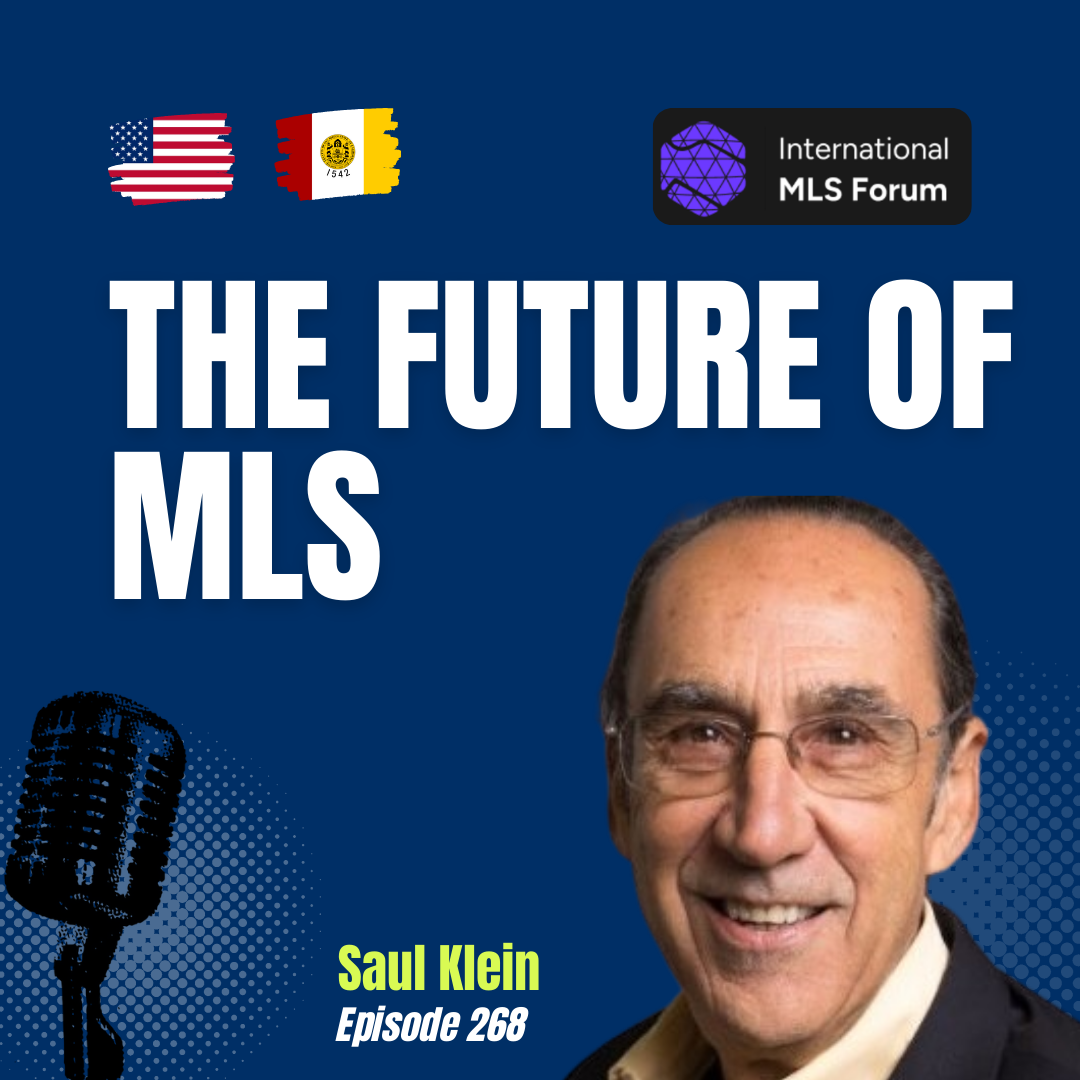
The Evolution of the Golden Record: How Trust and Technology Transformed the MLS for the Modern Agent
In the late 1960s, a young midshipman at the Naval Academy named Saul Klein sat before a computer terminal that had no video monitor, only a paper readout. To navigate a ship, he had to "shoot the stars," manually interpolating measurements from the moon and sun to fix a position—a process that required immense expertise and hours of time. Then, in 1975, a miracle happened: he stepped onto a new ship where he could push a button and receive an instantaneous latitude and longitude from satellites.
The question he faced then is the same one real estate agents face today with AI and new tech stacks: "Do I trust the machine?". This journey from manual "star shooting" to the digital "Golden Record" defines the history and the future of the Multiple Listing Service (MLS). For real estate agents, understanding this evolution isn't just a history lesson—it is a roadmap for building a high-converting, tech-forward business in an era of rapid change.
Table of Contents
- 1. Trust as the Foundation of Technology Adoption
- 2. From "Haves and Wants" to the Digital Database
- 3. Defining the "Golden Record": Why the MLS Wins
- 4. The Power of the Exclusive Contract
- 5. The Rules of the Game: Accuracy and Mandatory Submission
- 6. The Future: Data Standards, RESO, and the Global MLS
- 7. Conclusion: Embracing the Next Evolution
1. Trust as the Foundation of Technology Adoption
Saul Klein’s experience in the Navy taught him a vital lesson: the military is often 10 to 20 years ahead of the civilian world in technology. When computerized navigation proved itself accurate even in rain and clouds, Klein developed a deep-seated trust in computer systems.
When he entered the real estate business in 1977, he saw a world of paper books and manual data entry. He realized that if agents could access information with the same efficiency he had experienced in the Navy, the industry would be revolutionized. However, technology alone isn't enough; human trust is the catalyst. As Klein notes, moving people toward adopting technology requires that they first trust the person leading them. For modern agents, this means that your value isn't just in the tools you use, but in the trust you build with clients by utilizing those tools to streamline their experience.
2. From "Haves and Wants" to the Digital Database
A century ago, real estate was a "one at a time" arrangement. Brokers would find a seller, then manually hunt for a buyer. The MLS began to form when brokers in places like San Diego realized they could collaborate through "haves and wants" meetings. They would physically gather to say, "I have a client who wants to sell," and another would reply, "I have a client who wants to buy".
This collaboration evolved into handwritten notes, then printed books, and eventually, the massive databases we use today. There was a time when these MLS books were so guarded that moving companies would dig through trash cans just to find an old copy for prospecting leads. Agents used to protect data, believing their value was in knowing what was for sale.
The shift to the World Wide Web in the 1990s was a massive paradigm shift. Klein advocated for transparency, arguing that putting data online would actually develop more trust with consumers. Today’s agents must realize that the "value" isn't in hiding information, but in being the expert who can interpret the "Golden Record" for the client.
3. Defining the "Golden Record": Why the MLS Wins
In the age of Zillow, Redfin, and Homes.com, many wonder why the MLS remains relevant. The answer lies in what Klein calls the "Golden Record". While many sites display property information, the MLS is the only source governed by strict rules that ensure accuracy.
The most successful portals in the world—Zillow, Realtor.com, and others—do not generate their own primary data; they get it from the MLS. It is more cost-effective for these giants to let the MLS do the "hard work" of maintaining data accuracy. For an agent, the MLS isn't just a software tool; it is a verified, policed, and highly accurate ecosystem that minimizes risk and maximizes opportunity through transparency.
4. The Power of the Exclusive Contract
The entire collaborative engine of the MLS is fueled by the exclusive contract. Before these contracts were standard, brokers were afraid to share information for fear of being bypassed. The exclusive contract guarantees that the listing broker will earn a commission regardless of who brings the buyer, which allows for the open sharing of data.
This "exclusive" relationship isn't just a legal protection; it’s a benefit to the seller. It ensures the agent is incentivized to work hard and spend money on marketing because there is a guarantee of payment upon a successful sale. Despite changes in the industry, the exclusive contract remains the gold standard because it fosters a culture of cooperation that works for everyone.
5. The Rules of the Game: Accuracy and Mandatory Submission
What makes the MLS data better than a random Facebook group or a public portal? Mandatory submission and policing. Rules require that every listing—good or bad—must be entered into the system within a certain timeframe. This prevents "bait and switch" tactics where an agent might only post the "good" listings and keep others private.
MLS organizations, like the one Klein leads in San Diego, actively police this data. If an agent reports a property as available when it is actually sold, they are corrected and potentially fined. This "policed" environment is what builds the trust that allows millions of dollars in transactions to happen daily without a hitch.
6. The Future: Data Standards, RESO, and the Global MLS
The future of real estate isn't just about better apps; it’s about Data Standards. Klein points out that just as you can plug a lamp into any outlet because of electrical standards, real estate data needs to be universal to be truly efficient. This is the mission of RESO (Real Estate Standards Organization).
We are seeing this evolution go global. In Dubai, a new MLS model is being built from the ground up with government backing, learning from the successes and mistakes of the North American model. The goal is total transparency, where the government, brokers, and consumers all have access to a single, verified source of truth.
Four Key Pillars of the Future MLS:
- Litigation: Resolving legal challenges to create clearer operating paths.
- Regulation: Working with governments to ensure fair, transparent markets.
- Consolidation: Streamlining the hundreds of small MLSs into more efficient regional powerhouses.
- Global Standards: Adopting universal data formats to facilitate international investment.
7. Conclusion: Embracing the Next Evolution
For the modern real estate agent, the lesson is clear: Technology is a tool, but trust is the product. Whether you are using a paper book in 1970 or an AI-driven tech stack in 2024, your success depends on your ability to provide accurate, transparent information to your clients.
The MLS has survived for over a century because it adapted from physical meetings to digital "Golden Records". By leaning into data standards like RESO and maintaining the integrity of exclusive listings, agents can ensure they remain the indispensable guides in the home-buying journey. Don't be afraid to "push the button" on new technology—but always remember that the data behind that button is what truly matters.