
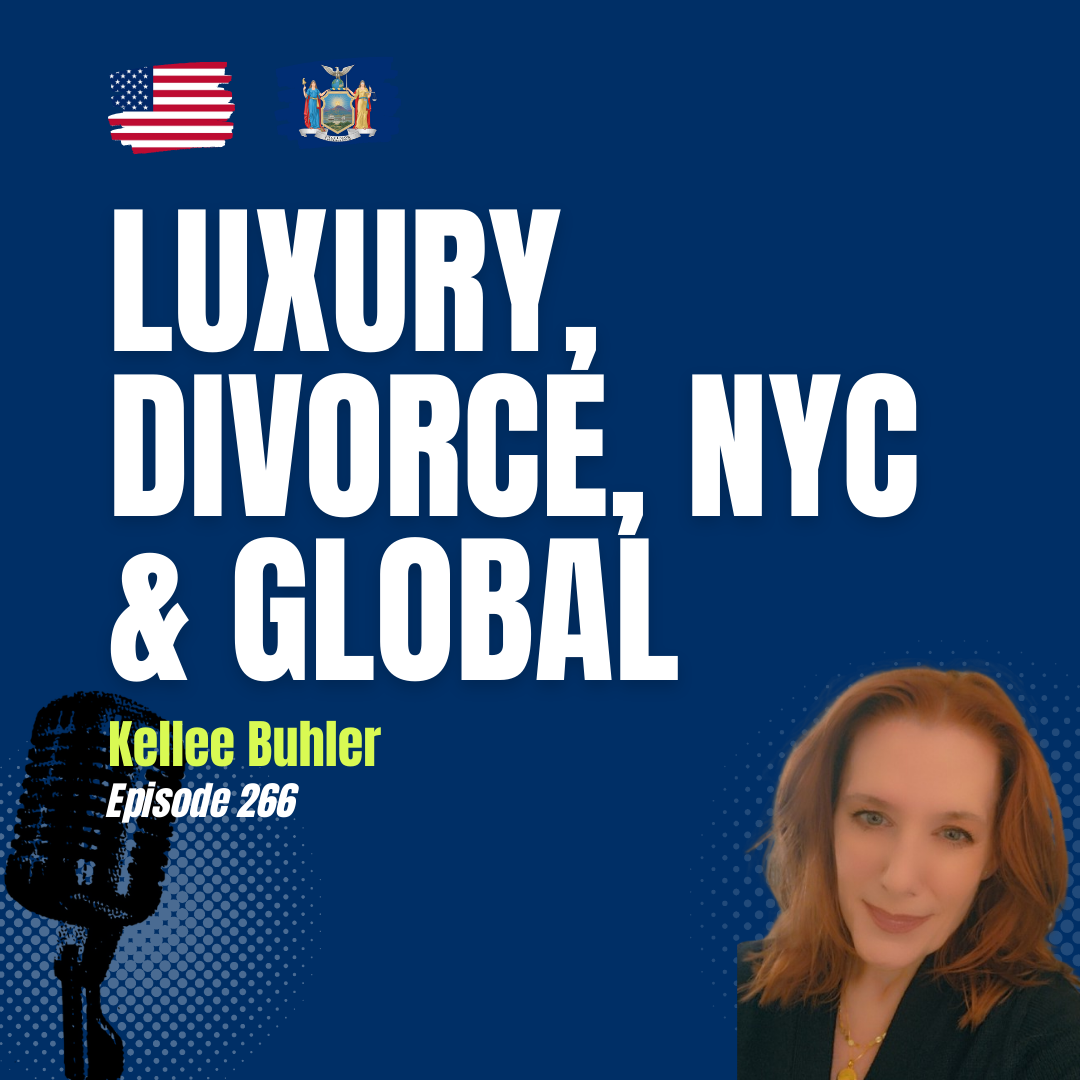
From Manhattan Luxury to Global Strategy: How to Scale Your Real Estate Career as a Specialized Advisor
In the high-stakes world of real estate, particularly in a market as aggressive as New York City, the difference between a fleeting career and a two-decade legacy often comes down to two things: specialization and relationship building. With a failure rate for new agents often cited as high as 80% within the first few months, "making it" requires more than just a license; it requires a strategic pivot into high-value niches.
This article draws on the deep expertise of Kellee Buhler, a New York City luxury broker with over 20 years of experience. As a Certified Divorce Specialist (CDS) and a Global Real Estate Advisor, Buhler has mastered the art of navigating complex, emotional, and international transactions. For agents looking to scale their business, her insights offer a roadmap for moving beyond local listings into the lucrative worlds of global referrals and specialized matrimonial real estate.
Table of Contents
- Understanding the Manhattan Luxury Landscape
- The Global Real Estate Playbook: Liquidity, Lifestyle, and Legacy
- Building a High-Converting International Referral Machine
- The Divorce Specialist Niche: Navigating Emotion and Law
- Actionable Strategies for Modern Real Estate Agents
Understanding the Manhattan Luxury Landscape
To succeed in luxury real estate, an agent must first understand the unique pressures of their primary market. In Manhattan, the market is defined by limited inventory and a geographic inability to expand; being an island, New York can only build up, not out. This scarcity keeps the market stable, even during global fluctuations.
The "Spring Bump" and Wall Street Influence
A key insight for any agent operating in a financial hub is the impact of Wall Street bonuses. In New York, the strongest market activity typically occurs in March and April. While logic might suggest buyers would prefer the quieter winter months, the influx of cash from bonuses—and now tech sector payouts from companies like Meta—creates a seasonal frenzy that drives the entire market forward.
The Migration to Brooklyn and Queens
Savvy agents must also track "neighborhood spillover." Recent trends show a significant migration toward lower-density areas. Neighborhoods in Brooklyn, such as Park Slope, have seen such high demand that they occasionally exceed Manhattan in price per square foot. This "push" has continued into "cool" areas like Ridgewood, Queens, which is now attracting the creative demographic that once defined the East Village. Anticipating these moves allows agents to advise investors on capital equity appreciation rather than just monthly ROI, which is often difficult to achieve in high-tax urban centers.
The Global Real Estate Playbook: Liquidity, Lifestyle, and Legacy
For high-net-worth individuals, particularly foreign nationals, real estate in a "marquee" city like New York is viewed through a specific framework: Liquidity, Lifestyle, and Legacy.
- Liquidity: Investors use real estate to park money in a stable, dollar-based hard asset, protecting their wealth from political unrest or currency devaluation in their home countries.
- Lifestyle: New York offers unparalleled culture, entertainment, and accessibility, making it a desirable secondary or tertiary residence.
- Legacy: Real estate serves as a generational asset, often purchased to provide a home for children attending universities like NYU or Columbia, while establishing a financial paper trail in the U.S..
The Shift in International Demand
While demand has historically fluctuated—ranging from Japanese investors to Russian buyers—the current landscape is heavily influenced by Asian and European demand. Interestingly, many "Canadian" buyers in the U.S. statistics are actually of Chinese or Indian origin who utilized Canadian residency as a stepping stone before investing in the American market. Understanding these demographic nuances allows an agent to tailor their marketing to the right global audience.
Building a High-Converting International Referral Machine
One of the most effective ways to scale a real estate business without physically being in two places at once is through international referrals. However, as Buhler notes, a successful referral is far more than just handing off a business card.
1. Vetting Your Global Partners
You should never feel obligated to use a person just because they belong to the same international franchise. The priority must be a personality and professional match for your client. Does the client need a data-driven expert or a "hand-holding" advisor?. You must build your team before you have the referral ready to go.
2. Papering the Deal
International real estate laws vary wildly. In some regions, agents are not licensed, and the concept of a referral fee is unfamiliar. To protect your commission, you must "paper it all up". This includes using digital signatures and ensuring that the person signing—often the firm owner rather than just the agent—has the legal authority to pay the fee.
3. Maintaining the Relationship
The "hand-off" should never be total. To ensure quality control and maintain client loyalty, you should remain part of the transaction. This can include a three-way Zoom meeting to introduce the referral partner and setting expectations for bi-weekly updates. You should even know the small details, such as how the client will be transported when viewing properties abroad, to ensure the "Manhattan-level" service is maintained.
The Divorce Specialist Niche: Navigating Emotion and Law
Specializing as a Certified Divorce Specialist is a high-barrier-to-entry niche that offers significant professional rewards. In these cases, the home is often the couple's largest asset, and the sale is fraught with contentious legal and emotional hurdles.
Neutrality as a Professional Standard
The first rule for an agent in a divorce sale is to remain strictly neutral. This involves sending all communications simultaneously to both spouses and often copying their respective attorneys to ensure transparency. The agent acts as a buffer between two parties who may be more focused on "annoying the other" than on achieving a high sale price.
The Legal Complexity of Condos and Co-ops
A specialist must understand the intersection of matrimonial law and real estate mechanics. For example, judges may issue court orders with arbitrary deadlines that do not account for the 3 to 8-month timeline required for NYC co-op board approvals. An expert agent communicates these realities to the legal teams to prevent unrealistic expectations that could lead to a deal collapsing.
Sensitivity to Children
A unique insight from the divorce specialty is the need to adjust standard staging practices. While typical real estate advice suggests "depersonalizing" a home by removing family photos, this can be traumatic for children already facing the loss of their family unit. A specialist knows when to prioritize emotional stability over a "perfect" showing to ensure the family can move through the process with minimal additional trauma.
Actionable Strategies for Modern Real Estate Agents
To transition from a generalist to a high-earning specialist, consider these final "pro-tips" from the sources:
Stay in Your Lane, but Master It
Don't try to be everything to everyone at once. Focus on becoming an expert in one neighborhood or one specific type of buyer (e.g., first-time buyers or foreign investors). Once you have mastered that "lane," your reputation will lead to organic referrals.
Collaboration Over Greed
In complex sales, such as a divorce where one spouse feels alienated, be willing to split the commission and bring in a co-agent who the other party trusts. Losing a percentage of the commission is always better than losing the entire listing because of a lack of cooperation.
Financial Preparation
Because luxury transactions (especially co-ops) can take a significant amount of time to close, new agents should have at least one year of living expenses saved before going full-time. This "runway" allows you to focus on building long-term relationships rather than chasing quick, low-quality commissions.
Conclusion: Success in real estate isn't just about the transaction; it’s about the longevity of relationships. By specializing in global strategies or sensitive niches like divorce, you position yourself not just as an agent, but as an indispensable advisor in your client's most important life transitions.
Note: The information regarding Wall Street bonuses, NYC neighborhood trends, and global referral strategies is based on the professional experiences of Kellee Buhler as documented in the source material. Agents should always consult with legal and financial professionals when navigating international laws or matrimonial court orders.