The Definitive Istanbul Real Estate Directory: A Strategic Guide for Modern Investors and Brokers
Istanbul is more than just a city; it is the nucleus of a transcontinental economic powerhouse. As a global hub where Europe, Asia, and the Middle East converge, the city offers an investment landscape that is as complex as it is rewarding. For those looking to navigate this terrain, a comprehensive real estate directory of strategies and local insights is no longer optional—it is a prerequisite for success. With a massive population of over 16 million and a national demographic where half the population is under 35, the demand for residential, commercial, and logistics space is driving unprecedented growth.
Table of Contents
- The Pulse of the Market: Why Istanbul?
- Strategic Citizenship: The $400,000 Gateway
- The Broker’s Evolution: Professionalism through GAPAS
- The Transactional Roadmap: Navigating the Tapu
- Neighborhood Intelligence: Where to Buy Now
- PropTech and the Future of Digital Real Estate
- The Rise of Sustainable Land Development
- Expert Resources and Contact Information
The Pulse of the Market: Why Istanbul?
When searching for a real estate directory Istanbul, investors are often looking for stability and growth potential. Turkey boasts a population of over 85 million people, characterized by its youth and dynamism. This "young population" is a primary driving force for the real estate sector, creating a constant need for new housing and innovative working spaces.
Connectivity is another pillar of Istanbul's value proposition. Turkish Airlines connects the city to over 300 direct destinations, making it one of the most accessible cities in the world. From any major global center, you are roughly three and a half hours away from the heart of the Turkish market. This accessibility fosters deep economic relations with both international and domestic investors who are increasingly paying attention to the logistics and commercial development sectors.
Market Transparency and Challenges
Despite its promise, the Turkish market faces challenges regarding transparency. Experts like Ismail Ozcan note the historical "two-price system," where the price discussed in a sales office might differ from the value declared at the title deed office to reduce fees. However, the government has recently taken concrete steps to eliminate these tax losses through strict precautions and heavy fines. For any professional appearing in a Turkish real estate directory, maintaining transparency is now a critical component of long-term reputation and legal safety.
Strategic Citizenship: The $400,000 Gateway
The Turkish property directory is frequently consulted by international buyers interested in the Citizenship by Investment (CBI) program. This program has become a significant motivator for international sales, particularly among investors from Russia, the Middle East, and Central Asia.
Requirements for Physical Real Estate
Originally set at $1 million, the threshold for citizenship was famously lowered to $250,000 before being adjusted to its current level of $400,000 for physical property purchases. Whether you are buying a residential unit, a commercial storefront, or land, as long as the value exceeds $400,000, you and your family (including spouse and children under 18) are eligible for a Turkish passport. This passport provides visa-free access to over 100 countries, making it a highly attractive asset for global mobility.
The Real Estate Fund Option
For those who prefer a more "hands-off" approach, the investment directory includes a fund-based option. By investing $500,000 into a Turkish real estate fund, the citizenship process becomes even more streamlined. Unlike physical property, funds do not require appraisal reports or complex international money transfer procedures through the central bank. The timeline for receiving citizenship through either path is impressively efficient, typically taking between two and three months.
The Broker’s Evolution: Professionalism through GAPAS
For a real estate agent, success in Istanbul requires more than just local knowledge; it requires affiliation with professional bodies. GAPAS (the Association of Real Estate Marketing and Sales Professionals in Turkey) serves as the leading organization for those in the real estate broker directory.
Bridging the Gap
GAPAS was founded to represent the managers—the people standing between "the boss" (developers and boards) and "the client" (investors). In a market where many professionals are transitioning from banking, finance, and engineering into real estate, GAPAS provides a vital roof for professional standards. Furthermore, GAPAS is a full member of CEPI (the European Association of Real Estate Professions), ensuring that Turkish brokers are aligned with European standards and have access to an international network.
The Transactional Roadmap: Navigating the Tapu
Navigating the "Tapu" (Title Deed Office) is the most critical phase for any investor. In Turkey, the process is remarkably digital but retains traditional safeguards.
The Application Process
The process begins online. Once a bargain is struck, parties apply through the Turkish title deed agency’s portal. The agency performs checks on the property’s availability and the agreed-upon price before sending a notification to both parties via SMS.
The "Wet Signature" Requirement
While the start is digital, the finish is physical. Turkey still requires a "wet signature" at the title deed office to finalize any transaction. Similarly, notary contracts—often used for "new homes" still under construction—require physical signatures and typically involve a nominal fee of $100 to $200.
Transaction Costs
The standard fee for a title deed transfer is 4% of the sales price. While legislation suggests a 2% split between buyer and seller, this is often a point of negotiation. In many resale scenarios, the seller may expect the buyer to cover the full 4%.
Neighborhood Intelligence: Where to Buy Now
Any real estate directory worth its salt must break down the geography of Istanbul. The city is divided by the Bosphorus, where Europe and Asia meet.
The Historical Peninsula (Fatih)
This is the "nucleus" of Old Istanbul, a tourist magnet filled with Roman, Byzantine, and Ottoman history. While new large-scale development is restricted due to its ancient heritage, its value remains high due to its status as a tourist attraction.
European Side Expansion
For modern residential blocks and commercial shopping malls, the directory points to Beylikduzu and Basaksehir. These areas have seen rapid development since the 1960s and continue to be hubs for new settlements. Furthermore, the area around the new Istanbul Airport near the Black Sea has become a major "attraction point" for northern development.
The Asian Side
Centered around the Sabiha Gökçen Airport, the Asian side has become a secondary center for those who value easy international and domestic transfers. It offers a mix of new residential units and massive shopping malls that cater to the growing population.
The Bosphorus Gold Standard
Districts like Besiktas, located near the Bosphorus, represent the pinnacle of Istanbul real estate. While entry costs are significantly higher, these properties are considered "evergreen" assets that consistently gain value because their central prestige is "never-changing".
PropTech and the Future of Digital Real Estate
Turkey is a "tech-loving" nation, and the real estate sector is no exception. There is a strong appetite for managing transactions via smartphones and apps. While wet signatures are currently mandatory, the industry is pushing for the adoption of digital signing. Interestingly, cryptocurrencies are already being used in some Turkish real estate transactions, signaling a shift toward a more decentralized and tech-forward market.
The Rise of Sustainable Land Development
The real estate directory is also seeing a shift toward "nature-friendly" projects. A prime example is the "Ecological Town of Life" project near Lake Iznik. This development focuses on low-rise (one to two-story) residential units that preserve forest views and the natural beauty of the Marmara region. This reflects a growing demand for architectural designs that are intrinsically linked to sustainable land zoning and environmental preservation.
Expert Resources and Contact Information
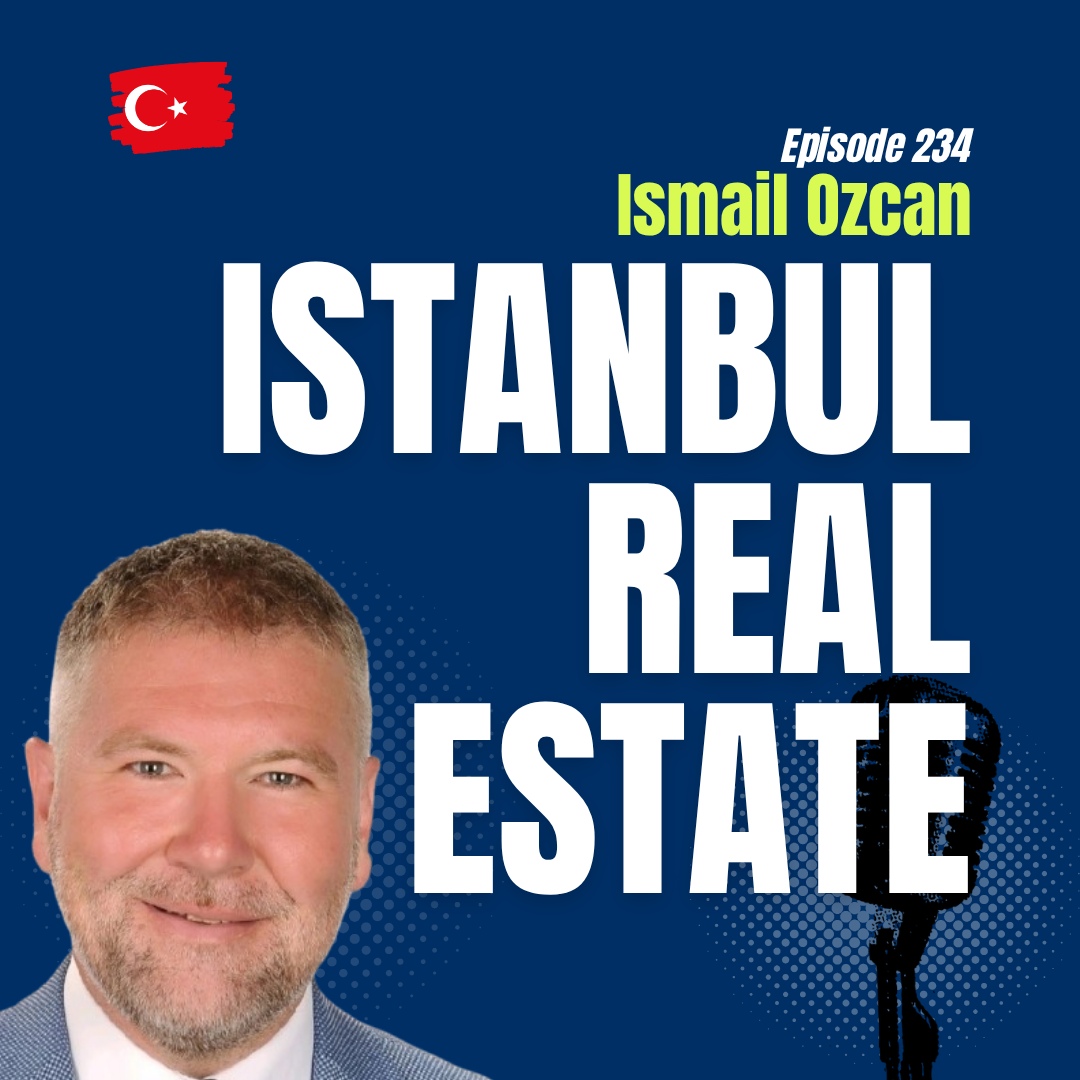
For a deep dive into the Turkish market, watch the full interview with Ismail Ozcan below, where he shares his 25 years of experience in architecture, development, and brokerage.

Connect with the Experts
Whether you are an investor looking for high-yield opportunities or a broker seeking professional growth, connecting with the right people is the first step. You can find detailed professional insights and contact Ismail Ozcan through his official profile:
Contact Ismail Ozcan - Real Estate Expert Istanbul
This article was compiled using expert insights from Ismail Ozcan, Chairman of GAPAS and Founder of Mimaria Real Estate. For more information on Turkish property and land development, visit mimario.com.
```