The Definitive Guide for Real Estate Investors in Verona, Italy: Market Trends, Legal Step-by-Step, and Global Agent Collaboration
Executive Summary: Investing in Italian residential property offers unparalleled lifestyle appeal and strong long-term capital preservation, particularly in the northern Veneto region. For foreign buyers and international agents seeking reliable opportunities through a verified real estate directory Verona, Italy, navigating this market successfully requires understanding distinct procedural rules. Unlike US or UK real estate transactions, Italian property purchases require exhaustive technical due diligence before signing a binding preliminary contract. Total transaction costs range between 15% and 17% above the purchase price, but property taxes are calculated on a favorable state cadastral value rather than the commercial purchase price. Meanwhile, global real estate agents can leverage cross-border referral networks and educational initiatives to unlock high-net-worth buyers looking at Verona and Lake Garda.
1. Quick Answers for Investors & Foreign Buyers
If you are exploring the market via a premium real estate directory Verona, Italy, here are the essential answers you need right away:
- Can foreigners buy property in Italy? Yes. Foreign citizens and non-EU residents face no restrictions when purchasing residential real estate in Italy.
- What is the most critical mistake to avoid? Making an offer or signing a contract before complete legal, technical, and architectural due diligence. In Italy, an accepted offer acts as a legally binding preliminary contract; you cannot renegotiate terms or price if structural or regulatory defects are discovered later.
- What are the expected closing fees? Budget roughly 15% to 17% on top of the purchase price to cover purchase taxes, notary fees, legal assistance, and buyer agency commissions (standard 3% by Italian law).
- How are holding taxes calculated? Annual property taxes and purchase taxes are based on the cadastral value (IRS fiscal value) of the property, which is usually significantly lower than the actual market listing price.
2. Market Overview: Why Verona & Lake Garda Attract Global Capital
Situated in the heart of the Veneto region in northeastern Italy, Verona occupies a strategic geographical sweet spot between Milan and Venice. With a city population of 270,000 and a metropolitan footprint reaching roughly half a million residents, Verona offers a rich blend of historic culture, world-class infrastructure, and vibrant economic stability.
The Geographic Advantage of the Veneto Region
Verona acts as a primary European transportation hub. High-speed rail networks connect Verona to Venice or Milan in just one hour, while Rome is reachable in under five hours. For international investors, this connectivity means property in Verona serves as both a primary luxury residence and a high-demand rental asset for regional travelers.
Lake Garda vs. Lake Como: The International Shift
While Lake Como remains world-famous, Lake Garda is Italy's largest lake—three times the size of Lake Como—touching three distinct Italian regions: Veneto, Lombardy, and Trentino-Alto Adige. International buyers, particularly from the United States, Germany, and Northern Europe, are increasingly shifting their focus to Lake Garda due to its expansive shoreline, microclimate, outdoor lifestyle, and relative value per square meter compared to Como or Florence.
3. Real Estate Valuations & Price Benchmarks in Verona
Understanding local pricing is vital when browsing a real estate directory Verona, Italy to spot undervalued deals or luxury gems.
City Center vs. Suburban Market Prices
Property prices in Verona vary considerably depending on proximity to the historic center (Centro Storico):
- Historic City Center (Luxury & Historic Restorations): Prices range from €3,000 to €4,000 per square meter on average, reaching up to €8,000 to €9,850 per square meter for premier new luxury developments and restored palazzos.
- Suburbs & Surrounding Municipalities: Average prices range from €1,800 to €2,500 per square meter.
Typical Apartment Purchase Budgets
Investors evaluating entry points should consider the following baseline figures:
- One-Bedroom Apartments (Bilocale): €250,000 to €260,000 in the historic center; €180,000 to €200,000 in the suburbs.
- Two-Bedroom Apartments (Trilocale): Approximately €350,000 in the city center; €230,000 to €280,000 in suburban neighborhoods.
- Target Quality Benchmark: To secure a high-quality residential property with solid rental potential, investors should plan an initial acquisition budget of at least €300,000.
4. Step-by-Step Legal Process: Buying Italian Real Estate as a Foreigner
The Italian real estate acquisition framework is strictly regulated, offering high legal security provided the correct order of operations is followed.
Step 1: Obtaining the Codice Fiscale
Before executing any contract, foreign buyers must secure a Codice Fiscale (Italian Tax Identification Number). This code is required for all legal transactions, utilities, and tax filings in Italy. Foreign buyers can obtain it directly through the Italian embassy or consulate in their home country prior to traveling, or locally via the Agenzia delle Entrate.
Step 2: Pre-Offer Technical Due Diligence
Unlike Anglo-American property transactions where inspections occur during an escrow contingency period, Italian law dictates that an accepted offer constitutes a binding agreement. Investors must hire an independent professional (such as a licensed real estate consultant, architect, or engineer) to inspect urbanistic compliance, cadastral registries, and structural health before submitting an offer.
Step 3: The Preliminary Contract (Contratto Preliminare)
Once due diligence is verified, the buyer submits a formal purchase proposal containing a deposit. Upon seller notification of acceptance, this document automatically becomes a legally binding preliminary contract. Alternatively, buyers can include explicit contractual suspensive conditions (e.g., subject to legal due diligence or mortgage approval) within the written offer to protect their deposit.
Step 4: Earnest Money Deposit (Caparra Confirmatoria)
The standard down payment ranges from 10% to 20% of the agreed purchase price. Under Article 1385 of the Italian Civil Code:
- If the buyer defaults without legal cause, the seller retains the entire Caparra Confirmatoria.
- If the seller defaults or pulls out of the deal, they are legally required to return double the deposit amount to the buyer, alongside potential court-ordered damages for economic harm.
Step 5: Completion at the Notary (Notaio)
The final deed of sale (Rogito Notarile) is executed in front of a public official called a Notaio. The notary acts as an impartial representative of the Italian state, verifying clear title, transferring legal ownership, and collecting transaction taxes. Buyers do not strictly require a local Italian bank account; funds can be transferred securely into the notary's dedicated state escrow account.
5. Closing Costs, Taxes, and Ongoing Holding Expenses
Financial transparency is essential when structuring an international real estate investment.
Purchase Taxes: The Cadastral Value Advantage
When purchasing a residential property from a private seller as a second home or investment, purchase tax (Imposta di Registro) is set at 9%. However, this 9% tax is applied to the property's cadastral value (Valore Catastale), not the listing or purchase price. Because cadastral values were established historically, the taxable base is frequently significantly lower than the market purchase price.
Agency Commissions & Transaction Overhead
In Italy, agency commissions are shared between buyer and seller by law. The standard buyer's agency commission is 3% plus VAT. Factoring in notary fees, land registry duties, and legal translation, overall closing costs average between 15% and 17% of the property value.
Ongoing Property Taxes and Holding Costs
Unlike the US market where property tax assessments fluctuate annually based on rising market values, Italian cadastral values remain stable over time unless major structural renovations alter the property's official classification. Owners pay an annual municipal service tax (IMU) on second homes and non-primary residences.
Mortgage Options for Foreign Buyers
International non-resident buyers can obtain mortgages from select Italian banking institutions. Typically, Loan-to-Value (LTV) ratios for foreign citizens are capped at 50%, with interest rates averaging around 4.0% to 4.5% depending on financial qualifications and documentation translation.
6. Strategic ROI: Tourist Rentals vs. Long-Term Contracts
A common pitfall for global investors entering the Italian market is assuming short-term vacation rentals (e.g., Airbnb) always produce superior yields.
Evaluating Short-Term Tourist Rentals
While Verona and Lake Garda experience intense tourist demand year-round, short-term rentals carry significant operational overhead. Investors must account for:
- Booking platform commission fees
- Professional property management and check-in services
- Cleaning staff and laundry maintenance costs
- Local municipal tourist taxes and short-term rental tax withholdings
The Power of Long-Term Residential Leases
For hands-off international investors, long-term residential leases often yield more predictable net returns without operational friction. Conducting localized neighborhood analysis and establishing a clear business plan before purchasing prevents overpaying in tourist-heavy micro-locations that carry high management costs.
7. For Real Estate Agents: Cross-Border Networks & Directory Resources
Real estate agents operating globally require trustworthy partners when referring high-net-worth clients to Italy.
Navigating Italy's Non-MLS Market Ecosystem
Unlike North America, Italy does not possess a centralized national Multiple Listing Service (MLS). Property listings are fragmented across individual agency sites, local portals, and private broker portfolios. Approximately 60% of sales listings are under exclusive agency contracts, 20% to 30% are non-exclusive, and 10% are For Sale By Owner (FSBO). Utilizing a reputable real estate directory Verona, Italy connects international agents directly with verified, licensed local professionals.
Licensing & Professional Standards
Not everyone operating in the Italian property space holds a valid real estate brokerage license. Global agents seeking referral partners must verify that their local counterpart is fully licensed and registered with Italian commercial chambers.
The Osservatorio Immobiliare Digitale (OID) & NAR Partnerships
Bridging Italian real estate with global standards requires active educational initiatives. The Osservatorio Immobiliare Digitale (OID) serves as an international bilateral partner with the National Association of REALTORS® (NAR). Organizations such as OID promote Certified International Property Specialist (CIPS) education in Italy, facilitating bilateral B2B referral agreements, memorandum of understanding agreements with US state boards, and transparent transaction standards known as "Conscious Contracts."
Innovative Property Marketing: Telling Stories in Color
In a traditional property market, standing out requires innovative storytelling. Leading Italian real estate strategists emphasize "telling the story of a home in color in a black and white market"—combining lifestyle narrative marketing, video content, and educational blog publishing to build deep trust with international luxury buyers.
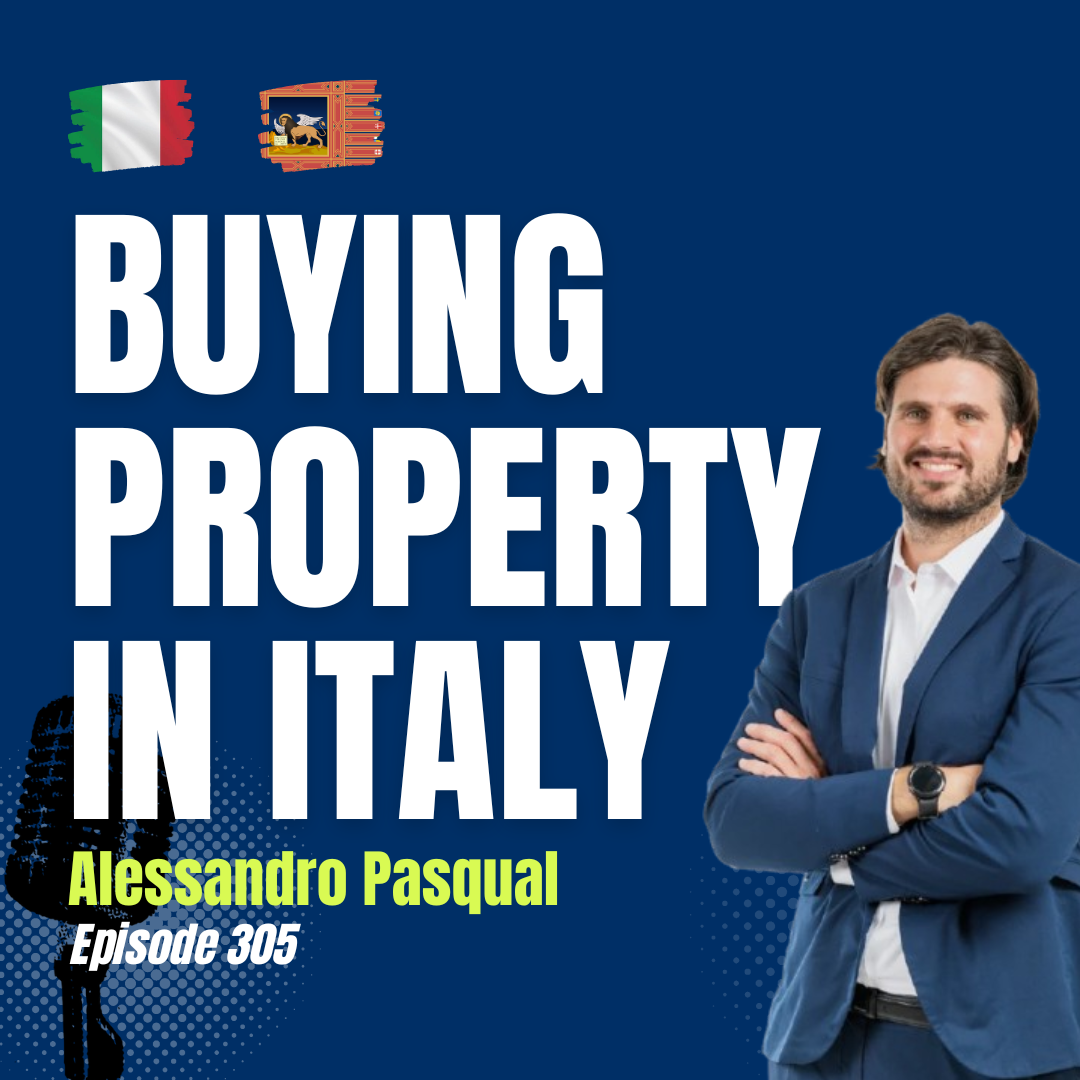
8. Exclusive Video Interview with Alessandro Pasqual
To gain deeper insight into market dynamics, property acquisition nuances, and cross-border agent networking in Verona and Lake Garda, watch the full interview with Alessandro Pasqual below:

Watch the full video interview on YouTube: https://youtu.be/EB3C2a0X3ls
Connect with Alessandro Pasqual
For inquiries regarding property acquisitions in Verona and Lake Garda or to establish bilateral agency referral relationships, connect via the official channels below:
- Website & Personal Blog: https://www.alessandropasqual.it/
- LinkedIn Profile: https://www.linkedin.com/in/alessandropasqual/
- Osservatorio Immobiliare Digitale (OID): https://www.osservatorioimmobiliaredigitale.it/
9. Frequently Asked Questions (FAQ)
FAQ for Investors
Why should I consult a real estate directory Verona, Italy before searching for properties?
Because Italy lacks a universal MLS system, a curated real estate directory Verona, Italy helps investors discover verified, licensed local brokers, access off-market listings, and avoid unlicensed intermediaries who cannot legally guarantee transaction security.
Can I buy property in Verona without speaking Italian?
Yes, provided you work with an English-speaking licensed real estate consultant or legal representative. If you do not speak Italian, the final deed at the notary must either be executed with an official translated contract and a certified translator present, or conducted via a power of attorney (Procura Speciale) granted to an English-speaking Italian professional.
What is the difference between Lake Garda and Verona for rental investments?
Verona city center provides strong year-round residential and business travel demand, ideal for both long-term and medium-term executive rentals. Lake Garda offers high-ticket seasonal luxury vacation rentals and strong equity growth driven by international tourism from Northern Europe and North America.
FAQ for Real Estate Agents
How can foreign real estate agents earn referral fees from Italian transactions?
By establishing formal B2B bilateral referral contracts with licensed Italian brokerages. Organizations affiliated with OID and CIPS understand international referral protocols and can manage client handoffs seamlessly under clear contractual terms.
What should global real estate agents look for in an Italian real estate directory Verona, Italy partner?
Look for agents who hold active CIPS designees, possess certified licensing, demonstrate fluency in international transaction procedures, and utilize structured pre-offer due diligence protocols to protect referred clients.
What is a Conscious Contract in Italian property transactions?
A Conscious Contract is an approach focusing on total transparency, complete document disclosure prior to offer signing, client education, and ethical agreement structures, ensuring both buyer and seller enter the contract with full awareness of all property details.